Your Definitive Guide to Pregnancy Blood Tests in Darlington
What is a pregnancy blood test and how does it work?
Private Pregnancy Blood Test in Darlington: A pregnancy blood test is a crucial diagnostic tool utilised to detect human chorionic gonadotropin (hCG) in the bloodstream, thereby confirming pregnancy. This method of testing generally provides superior accuracy compared to traditional urine tests, and it is conveniently accessible at local clinics in Darlington. Expectant parents can anticipate receiving trustworthy results within just a few days, which not only brings early reassurance but also ensures minimal discomfort throughout the testing process.
Essential Guidelines to Prepare for Your Pregnancy Blood Test
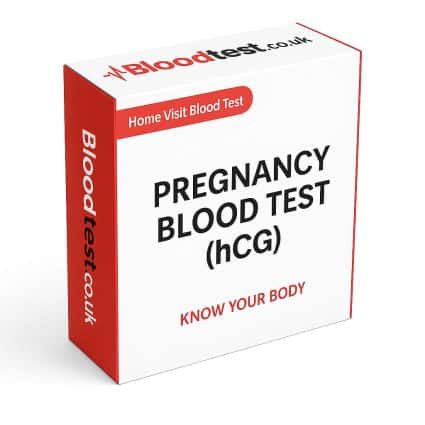

Preparing for a pregnancy blood test involves a few essential steps to ensure optimal results for patients. Individuals in Darlington should follow these important guidelines:
- Schedule a consultation with a healthcare provider to discuss any symptoms or concerns you may have.
- Arrange an appointment at a reputable clinic known for its expertise.
- In some instances, fasting may be recommended, depending on the specific nature of the test.
- Bring identification along with any relevant medical history to the appointment.
- Notify the healthcare provider about any medications or supplements you are currently taking.
- Remain calm and relaxed to facilitate an accurate blood draw.
- Follow any post-test instructions provided by the healthcare professional.
Following these preparatory steps helps ensure successful blood draws and thorough lab analysis, allowing for the early identification of any potential issues related to pregnancy.
Why do individuals seek pregnancy blood tests in Darlington?
There are various reasons individuals may pursue a pregnancy blood test in Darlington. The most common motivation is to confirm a suspected pregnancy following missed periods or symptoms such as nausea or fatigue. Additionally, these tests may be advised for individuals with a history of complications in previous pregnancies or those undergoing fertility treatments. Furthermore, testing is crucial for evaluating the health of the pregnancy, particularly in high-risk scenarios or when there are concerns regarding the levels of <a href=”https://bloodtest.co.uk/what-is-a-beta-hcg-test-a-vital-tool-for-pregnancy-detection/”>hCG</a>.
Explore the Various Types of Pregnancy Blood Tests Available
How reliable are pregnancy blood tests?
Pregnancy blood tests, especially quantitative <a href="https://electroquench.com/beta-hcg-test-key-to-early-pregnancy-detection/">hCG</a> tests, are well-known for their precise measurement of hormone levels. In Darlington, these tests are instrumental in determining pregnancy dates and identifying potential complications, including miscarriage or ectopic pregnancy. Conducted by qualified professionals in accredited laboratories, the results are dependable and offer reassurance to women in the region.
Moreover, these tests' accuracy far exceeds that of home urine tests, making them the preferred option for those seeking early confirmation of pregnancy. Healthcare providers in Darlington underscore the importance of timing when administering these tests to guarantee the most accurate outcomes. Typically, blood tests can detect pregnancy approximately six to eight days after conception, making them ideal for early detection.
Standard Testing Options Offered at Local Facilities
In Darlington, various forms of pregnancy blood tests are available at local healthcare facilities. The standard options generally include:
- Qualitative hCG tests that confirm the presence of hCG in the blood.
- Quantitative hCG tests that measure the exact level of hCG.
- Tests assessing progesterone levels to evaluate the health of the pregnancy.
- Comprehensive panels reviewing various maternal health markers.
These standard testing options are executed by trained personnel, ensuring that expectant mothers receive reliable, prompt results that guide their subsequent actions in prenatal care.
Specialised Testing Options for High-Risk Pregnancies
In specific cases, particularly for women identified as high-risk, specialised pregnancy blood tests may be necessary. Healthcare providers in Darlington may recommend additional testing for women with conditions such as diabetes, hypertension, or a history of complications in previous pregnancies. These tests can provide essential insights regarding both maternal and fetal health.
The advanced testing procedures often include detailed assessments of hormone levels or screenings for genetic markers that may indicate a risk of chromosomal abnormalities. By utilising these sophisticated testing methods, healthcare professionals can develop tailored care plans that address individual needs, ensuring a comprehensive approach to pregnancy management.
Blood Tests for Early Detection of Ectopic Pregnancy
In Darlington, blood tests play a crucial role in measuring hCG levels to identify ectopic pregnancies, which occur when a fertilised egg implants outside the uterus. Early detection is vital as it allows for immediate medical intervention, significantly reducing risks to maternal health.
Results from these tests are interpreted by skilled professionals who can provide accurate diagnoses based on the behaviour of hCG levels over time. For instance, in a typical pregnancy, hCG levels should rise rapidly during the early weeks. However, in cases of ectopic pregnancy, these levels may rise more slowly or plateau, indicating the need for further investigation and potential treatment.
Comprehensive Panels for Maternal Health Screening
Comprehensive blood panels available in Darlington assess numerous health factors during pregnancy. These panels typically evaluate iron levels, screen for infections, and check for genetic markers, providing a holistic view of maternal health. By understanding these various health factors, healthcare providers can tailor their care plans to proactively address potential issues.
For example, low iron levels can lead to anaemia, a condition that could complicate pregnancy. Early identification allows for timely interventions, such as dietary adjustments or supplementation. Furthermore, screening for infections can help avert complications that might affect both mother and baby, ensuring a healthier pregnancy journey.
Understanding the Functionality of a Pregnancy Blood Test
What samples are required for the test?
To conduct a pregnancy blood test, a blood sample is drawn from the arm at clinics in Darlington. This blood sample is subsequently sent to accredited laboratories for thorough analysis to detect the presence of pregnancy hormones, specifically hCG. This method ensures a quick turnaround, allowing individuals to efficiently gain insights into their health status.
The blood draw itself is typically straightforward, performed by trained technicians who guarantee minimal discomfort for the patient. After the sample is collected, it undergoes rigorous testing to yield accurate results, which are generally available within a few days. This efficient process enables timely decisions regarding prenatal care or further testing, if necessary.
The Importance of Laboratory Analysis in Pregnancy Testing
The laboratory analysis of blood samples is a pivotal step in determining pregnancy status and assessing overall maternal health. In Darlington, certified laboratories utilise advanced equipment and technologies to ensure precise measurement of hCG and other relevant hormones. This analysis is critical, as accurate hormone levels provide vital information regarding the progress of the pregnancy.
Laboratory personnel adhere to strict protocols to prevent contamination and maintain sample integrity. They analyse trends in hormone levels over time, offering insights into the health of the pregnancy. For example, steadily rising hCG levels typically suggest a healthy pregnancy, whereas levels that do not rise as expected may warrant further investigation.
How to Accurately Interpret the Results
Interpreting the results of a pregnancy blood test necessitates expertise, as various factors can impact hormone levels. In Darlington, healthcare professionals play a crucial role in explaining results to patients and guiding them through the implications of their findings. For instance, an hCG level within a certain range may indicate a normal early pregnancy, while levels outside this range could suggest complications.
Understanding the context of the results is vital. For instance, a low hCG level early in pregnancy may not be alarming if the patient is still within the earliest weeks. However, healthcare professionals will likely monitor these levels closely to ensure they are rising appropriately. Follow-up tests may be necessary to track changes and confirm a viable pregnancy.
The Procedure for Conducting the Test
The procedure for conducting a pregnancy blood test in Darlington aims to be as straightforward and efficient as possible. Patients typically begin by consulting a healthcare provider, who will evaluate their symptoms and determine whether testing is necessary. Once testing is deemed appropriate, an appointment is scheduled at a local clinic.
On the day of the test, patients arrive at the clinic, where a healthcare professional explains the procedure and addresses any questions they may have. Blood is drawn from a vein in the arm, usually taking only a few minutes. Following the blood draw, the sample is securely packaged and sent to the laboratory for analysis. Results are typically available within a few days and are communicated to the patient through secure channels.
Understanding the Benefits and Limitations of Pregnancy Blood Tests
Pregnancy blood tests offer numerous advantages, including high accuracy and the ability to detect pregnancy earlier than urine tests. In Darlington, these tests provide critical information regarding maternal health and the progression of pregnancy. They are particularly beneficial for women with irregular cycles, where the timing of a urine test may be uncertain.
However, it is essential to acknowledge limitations as well. False positives and negatives can occur, albeit infrequently, and certain medical conditions or medications may influence results. Therefore, healthcare providers often recommend follow-up testing or additional assessments to ensure a comprehensive understanding of the patient’s health status.
Expert Guidance on Booking and Preparing for Pregnancy Blood Tests in Darlington
Steps to Take for Booking Your Test
For individuals in Darlington looking to schedule a pregnancy blood test, the process can be straightforward with the right guidance. Begin by consulting your GP or a local healthcare provider to discuss your symptoms and whether testing is necessary. They will provide personalised advice on scheduling the test based on your medical history and current health status.
Once you have a referral, research local clinics that specialise in pregnancy testing. Look for facilities with experienced staff and positive reviews from past patients. Booking an appointment can often be accomplished online or via phone. It is crucial to inquire about any pre-test preparations, such as fasting, to ensure optimal results. Following these steps enhances your confidence in the testing process and ensures a supportive environment during this pivotal time.
The Benefits of Pregnancy Blood Tests Supported by Professional Insights
The advantages of pregnancy blood tests extend beyond mere confirmation of pregnancy. Healthcare professionals in Darlington emphasise that these tests can provide essential insights into maternal health, enabling early interventions when necessary. For instance, identifying low progesterone levels through blood tests can lead to timely treatment to support a healthy pregnancy.
Moreover, these tests can assist in monitoring complications that may arise during pregnancy, empowering expectant mothers to make informed decisions about their healthcare. By collaborating with healthcare providers, individuals can navigate potential challenges effectively, ensuring the best outcomes for both mother and baby.
Expert Analysis on Potential Outcomes of Pregnancy Blood Tests
Healthcare professionals in Darlington are adept at analysing the outcomes of pregnancy blood tests and providing critical context for the results. For instance, if a test indicates low hCG levels, the provider may discuss potential implications, such as the risk of miscarriage or ectopic pregnancy. Similarly, elevated levels may require further investigation to rule out complications or assess the possibility of multiple pregnancies.
Understanding these outcomes is essential for expectant mothers as they navigate their prenatal journey. By leveraging the expertise of healthcare providers, individuals can receive personalised advice and support to address any concerns and optimise their care. This level of insight fosters a proactive approach to maternal health, ultimately leading to improved outcomes.
What Are the Key Benefits of Pregnancy Blood Tests?
How do Pregnancy Blood Tests Facilitate Early Detection?
Pregnancy blood tests play a critical role in early detection, enabling the timely identification of pregnancy in Darlington and facilitating improved prenatal care. These tests can potentially detect pregnancy as early as a week following conception, making them essential for individuals with irregular menstrual cycles or other factors that complicate timing.
By confirming pregnancy early, healthcare providers can implement appropriate care plans that closely monitor health markers for both the mother and the baby. Early detection also aids in identifying potential risks, such as ectopic pregnancy, empowering women with the knowledge needed to make informed decisions regarding their care. This proactive approach significantly enhances both maternal and fetal health outcomes.
The Emotional and Health Advantages of Pregnancy Blood Tests
The emotional benefits of pregnancy blood tests should not be underestimated. Receiving a positive confirmation can evoke a spectrum of emotions, ranging from joy to anxiety. For many in Darlington, a positive blood test result provides a sense of relief and reassurance. Knowing that one is pregnant encourages individuals to initiate planning for the future and to consider necessary lifestyle adjustments.
Health-wise, these tests also support the early identification of potential complications, allowing for timely medical intervention. By promoting open communication with healthcare providers, expectant mothers can promptly address their concerns, reducing anxiety and fostering a supportive atmosphere throughout their pregnancy journey.
Long-Term Implications for Families Following Pregnancy Blood Tests
The long-term implications of pregnancy blood tests extend beyond the immediate confirmation of pregnancy. Early detection and monitoring enable families to prepare adequately for the arrival of a new baby, whilst proactive healthcare can mitigate risks to both maternal and infant health.
Furthermore, establishing a relationship with healthcare providers grounded in trust and open communication from the outset allows families to navigate their healthcare journey more effectively. This proactive approach fosters a culture of accountability and health awareness, ultimately contributing to the long-term well-being of both mother and child.
Research-Supported Benefits of Pregnancy Blood Tests in Darlington
Real-World Examples of Successful Outcomes from Pregnancy Blood Tests
Research has highlighted the benefits of pregnancy blood tests for improving maternal health outcomes in various studies across the UK. For example, women who experienced early detection of ectopic pregnancies through blood tests were able to receive timely medical interventions, significantly reducing complications and preserving their reproductive health.
In Darlington, consulting specialists can further enhance these benefits. Expectant mothers are encouraged to take proactive steps by seeking tailored support that aligns with their specific health needs. This approach fosters a more informed and engaged patient experience, ultimately leading to improved health outcomes and greater peace of mind during the pregnancy journey.
Evidence from Clinical Trials Supporting the Efficacy of Pregnancy Blood Tests
Clinical trials conducted within the UK have reinforced the efficacy of pregnancy blood tests in supporting maternal health. These studies demonstrate that women who undergo regular blood testing during pregnancy experience fewer complications compared to those who rely solely on urine tests. For instance, the early identification of hormonal imbalances can facilitate timely treatment, thereby enhancing pregnancy outcomes.
In Darlington, healthcare providers are dedicated to integrating these findings into practice. By employing evidence-based approaches, they ensure that patients receive the highest standard of care, ultimately promoting the health and safety of both mothers and their babies.
Integrating Blood Tests into Routine Prenatal Care
In Darlington, incorporating pregnancy blood tests into routine prenatal care represents a best practice that healthcare providers actively advocate. This approach not only assists in confirming pregnancy but also aids in monitoring maternal health throughout gestation. Regular blood tests can provide continuous insights into critical health markers, enabling timely interventions when necessary.
As part of a comprehensive care plan, blood tests can help identify potential complications early on, leading to more informed management decisions. This integration of blood testing into standard care aligns with best practices and enhances the overall quality of care provided to expectant mothers.
When to Consider a Pregnancy Blood Test
What Factors Influence the Timing of Testing?
The timing of a pregnancy blood test primarily hinges on symptoms and the individual’s menstrual cycle. In Darlington, tests are generally advised around one to two weeks after a missed period for optimal accuracy. This timing allows sufficient hormone accumulation in the bloodstream, which is essential for accurate detection.
Other influencing factors may include the individual’s health history and whether they are undergoing fertility treatments. Women experiencing symptoms such as nausea, breast tenderness, or unusual fatigue should consult their healthcare provider to determine the appropriate timing for testing. Early intervention can help address concerns promptly, enabling better planning and preparation for a potential pregnancy.
Signs Indicating the Need for a Pregnancy Blood Test
Several signs may indicate the necessity for a pregnancy blood test in Darlington. The most common is a missed period, which can be a clear indicator of pregnancy. Other symptoms to consider include breast tenderness, heightened sense of smell, fatigue, and nausea. Each of these signs may suggest hormonal changes consistent with early pregnancy.
In addition to physical symptoms, emotional changes, such as increased anxiety or excitement about a potential pregnancy, can also prompt the decision to seek testing. Women who suspect they may be pregnant and are experiencing any combination of these symptoms should consult their healthcare provider to discuss the next steps in confirming their status.
Establishing Follow-Up Testing Schedules
Establishing follow-up testing schedules is essential for managing pregnancy effectively. After an initial blood test confirms pregnancy, healthcare providers in Darlington often recommend additional testing to monitor hormone levels and ensure the pregnancy is progressing normally. This might include subsequent quantitative hCG tests to track changes over time.
Depending on the initial results, follow-up tests may be scheduled every few days or weeks. This timing plays a crucial role in identifying potential complications such as ectopic pregnancies or miscarriages early on, allowing for timely medical interventions to safeguard both maternal and fetal health.
Preparing for Your Blood Test in Darlington
How to Select the Right Clinic for Your Test
Choosing the right clinic for a pregnancy blood test in Darlington is crucial to ensuring reliable service. Start by researching local facilities that specialise in reproductive health and have a strong reputation within the community. Seek clinics staffed with experienced professionals who prioritise patient comfort and accurate diagnostics.
Checking online reviews and testimonials can provide valuable insights into the experiences of previous patients. Additionally, consider the clinic’s location and hours of operation to ensure accessibility. A stress-free experience is paramount, so select a facility that offers a welcoming atmosphere and comprehensive services tailored to your needs.
Essential Pre-Test Preparations for Optimal Results
Pre-test preparations for a pregnancy blood test are generally straightforward but vital for achieving optimal outcomes. Patients in Darlington should be informed by their healthcare provider about any specific requirements, such as whether fasting is necessary. Proper hydration can facilitate a smoother blood draw, so drinking ample water beforehand is encouraged.
Moreover, wearing clothing that allows easy access to the arm, where blood will be drawn, is advisable. Arriving at the clinic a little early can also help alleviate anxiety and allow for necessary paperwork to be completed. Finally, ensuring you have all relevant identification and medical history on hand can streamline the process, making the experience as efficient and stress-free as possible.
What to Expect on the Day of Your Blood Test
On the day of the blood test, patients in Darlington can expect a structured yet friendly environment at the clinic. After checking in, a healthcare professional will typically explain the procedure in detail and address any questions or concerns you may have. This is a crucial opportunity to clarify what will happen during the blood draw.
Once called, the patient will be seated, and a technician will prepare to draw blood from a vein in the arm. The blood draw itself usually takes only a few minutes and involves a simple process of inserting a needle. Afterwards, patients may be asked to wait briefly to ensure they feel well before leaving the clinic. Results are typically available within a few days, and the clinic will communicate how those results will be shared.
Next Steps After Your Blood Test
How Are Your Results Communicated?
In Darlington, the communication of pregnancy blood test results is handled with care and professionalism. Results are typically shared via secure channels, such as patient portals or direct calls from healthcare providers, ensuring confidentiality while allowing for a personal touch in discussing findings.
Following the communication of results, patients often have follow-up consultations to discuss the implications of their findings and the next steps they should take. This may involve scheduling additional tests or prenatal visits to ensure that expectant mothers have a clear understanding of their health status and ongoing care requirements.
What to Do Following Positive Outcomes
A positive pregnancy test result can bring immense joy, but it also opens the door to a series of subsequent steps. Upon confirmation of pregnancy in Darlington, expectant mothers should schedule their first prenatal appointment to initiate routine care. This visit typically includes comprehensive assessments, including reviews of medical history and health screenings, establishing a solid foundation for a healthy pregnancy.
During this initial consultation, healthcare providers will discuss necessary steps for prenatal care, encompassing dietary recommendations, lifestyle adjustments, and any additional tests that may be recommended. Establishing this early connection with healthcare professionals is essential for a positive pregnancy journey.
How to Handle Unexpected Findings from Your Test
Receiving unexpected findings from a pregnancy blood test can be daunting, but it is crucial to approach the situation with clarity. In Darlington, healthcare providers are equipped to guide patients through any unexpected results, whether they indicate potential complications or require further testing. Open communication with professionals is vital to understanding the implications of these findings.
Patients are encouraged to ask questions and seek clarification regarding their results, including what follow-up procedures may be necessary. Depending on the nature of the findings, healthcare providers may recommend additional tests or specialist referrals for further evaluation. Navigating these complexities can be daunting, yet a supportive healthcare team can make all the difference in ensuring that expectant mothers feel informed and empowered throughout their journey.
Frequently Asked Questions
What distinguishes a urine test from a blood test for pregnancy?
A urine test identifies pregnancy by detecting hCG, while a blood test measures the amount of hCG in the bloodstream. Blood tests tend to be more accurate and can detect pregnancy earlier than urine tests.
How long will it take to receive results from a pregnancy blood test?
Typically, results from a pregnancy blood test are available within a few days, though the timeframe can vary depending on the clinic and laboratory involved.
Are there any risks associated with undergoing a pregnancy blood test?
The risks of a pregnancy blood test are minimal, mainly involving slight discomfort or bruising at the blood draw site. Serious complications are rare.
Is it possible to take a pregnancy blood test at home?
No, pregnancy blood tests must be conducted in a medical setting by trained professionals to ensure accuracy and safety.
Do I require a referral for a pregnancy blood test?
In most cases, a referral from a healthcare provider is recommended, especially if the test is being performed for medical reasons rather than home confirmation.
How often should I undergo blood tests during pregnancy?
The frequency of blood tests during pregnancy varies based on individual circumstances and healthcare provider recommendations. Still, they are generally conducted at the start and at key points during the pregnancy for health monitoring.
What should I do if my blood test results are inconclusive?
If results are inconclusive, healthcare providers may recommend follow-up testing or additional assessments to clarify the findings and ensure appropriate care.
Can blood tests indicate complications during pregnancy?
Yes, blood tests can signal potential complications by measuring hormone levels and identifying irregularities that may necessitate further investigation or intervention.
What steps should I take if I suspect I am pregnant?
If you suspect you are pregnant, consult a healthcare provider who can advise you on testing and provide guidance specific to your situation.
Are there specific clinics in Darlington offering pregnancy blood tests?
Yes, several clinics in Darlington specialise in pregnancy blood tests and reproductive health services. It is advisable to research local options and choose one that meets your needs.
Join our community on Facebook!
This Article Was First Found On https://bloodtest.co.uk
The Article Pregnancy Blood Test in Darlington: Essential Information found first on https://electroquench.com