Essential Techniques for Urban Food Stockpiling: A Comprehensive Guide for City Residents
What does the practice of urban food stockpiling involve?
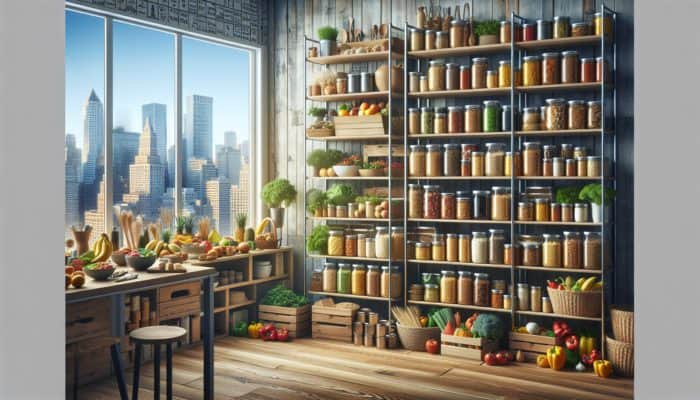
Urban food stockpiling involves the strategic gathering and management of vital food supplies in city environments to prepare for unexpected disruptions in food access. This method focuses on selecting long-lasting items while implementing effective rotation strategies to assure that food remains fresh and safe for consumption. In vibrant urban areas, securing a reliable food supply is essential not only for personal health but also for enhancing the resilience of communities. Urban stockpiling can encompass a wide variety of pantry essentials and comprehensive emergency provisions, all designed to suit the limitations of compact living spaces. A holistic approach to stockpiling should address both the quantity of food and the variety of nutrients to ensure households are ready for a range of scenarios.
Effective stockpiling strategies often include sourcing local food products and incorporating culturally significant items, which support sustainability and enhance flavour profiles. Considering the unique challenges of urban living, this practice encourages individuals to critically assess their food security, teaching them to optimise limited resources while maintaining a balanced diet. Adopting a proactive stance towards potential food supply disruptions is crucial for fostering self-sufficiency within urban communities.
What drives individuals to engage in food stockpiling within cities?
Creating a food stockpile is essential for ensuring household stability during unpredictable periods, focusing on nutritional balance and cost-effective purchasing methods. This strategy guarantees long-term sustainability without overwhelming storage capacities. The trend of urban food stockpiling has emerged as a vital practice for personal security and well-being. For many city inhabitants, the motivation to stockpile arises from the unpredictability of food supply chains, particularly following global events such as pandemics or natural disasters.
Furthermore, the rising cost of living in urban settings makes food stockpiling not merely a matter of preparedness but also an astute economic strategy. By purchasing non-perishable items in bulk or capitalising on discounts, urban residents can effectively stretch their budgets. This approach nurtures financial awareness and fosters smarter shopping habits, ultimately resulting in healthier eating patterns and reducing the stress associated with shopping for groceries in bustling city environments.
What are the essential components of an effective food stockpile?
Key elements of a successful stockpile entail a diverse selection of food types, adequate packaging to prolong shelf life, and incorporation into daily routines to enhance sustainability and accessibility in limited spaces. A well-planned stockpile should feature various food categories that fulfil nutritional requirements, including grains, proteins, fruits, and vegetables. Additionally, incorporating items that cater to specific dietary restrictions or cultural preferences is essential to ensure that all household members are adequately nourished and satisfied.
To optimise storage efficiency and organisation, consider implementing these practical storage solutions:
- Vertical shelving units to maximise wall space
- Transparent containers for easy visibility and access
- Under-bed storage boxes for seldom-used items
- Multi-functional furniture that doubles as storage
- Labeling systems to track expiration dates
- Vacuum-sealed bags for long-lasting preservation
- Rolling carts for mobility and versatility
- Stackable bins to optimise vertical storage
These strategies contribute to forming an effective stockpiling system that seamlessly integrates into urban lifestyles, thereby enhancing preparedness without encroaching on living areas.
What obstacles do urban environments present for effective food stockpiling?
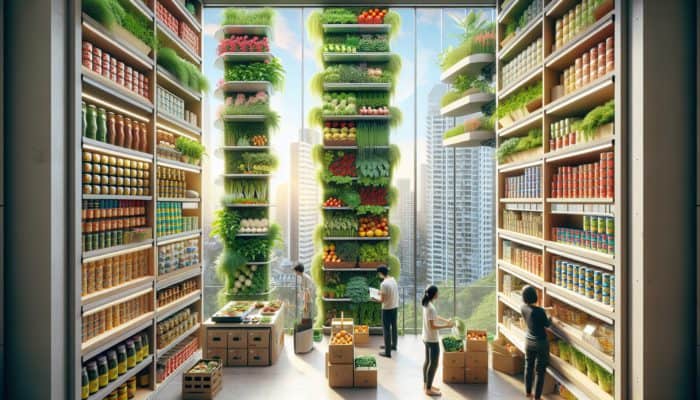
Urban food stockpiling faces numerous challenges, including limited storage capacity, high food prices, and the risk of rapid spoilage; overcoming these barriers requires innovative storage solutions, the establishment of community support systems, and regular inventory assessments to maintain optimal preparedness. The fast-paced lifestyle associated with urban living often leads to restricted storage options, necessitating a reevaluation of food storage and organisation techniques.
Moreover, urban areas typically experience higher grocery prices due to the overhead costs incurred by retailers, which can deter residents from building a stockpile. The perishability of food is another significant concern; without appropriate storage conditions, items can spoil quickly, resulting in unnecessary waste. To address these challenges, urban residents can implement inventive solutions such as vertical gardening, community co-operatives, and shared kitchens, which can enhance stockpiling efforts while fostering a sense of community.
Additionally, collaborating with neighbours to initiate food-sharing programmes or bulk purchasing groups can greatly reduce costs while creating a support network that promotes collective preparedness. In this manner, urban food stockpiling transitions from an individual endeavour into a community-oriented initiative, bolstering resilience against food supply challenges.
How can you implement urban food stockpiling effectively?
What initial steps should you take to start food stockpiling?
Initiating the stockpiling process involves assessing household needs, gradually acquiring essentials, and organising your inventory, all of which promote preparedness and minimise waste through mindful consumption practices. The very first step in any effective stockpiling strategy is to evaluate the specific dietary needs and preferences of your household. This evaluation should take into account factors such as family size, health requirements, and cultural influences, thereby allowing for a tailored approach to food storage.
Once the assessment is completed, the next move is to begin sourcing food items incrementally. Rather than making large purchases all at once, aim to incorporate stockpiling into your regular shopping habits. Focus on obtaining non-perishable items and bulk goods during sales, capitalising on discounts to build your supply without straining your budget. This gradual accumulation helps ensure that the food remains fresh and aligns with your family's preferences.
Effectively organising your inventory is equally crucial. Establish a system that allows for easy tracking of what you have on hand, including expiration dates. Conducting regular inventory checks enables you to identify items that need to be consumed sooner, transforming potential waste into delicious meals. By adhering to these foundational steps, urban residents can create a sustainable and efficient food stockpile that caters to their unique needs.
Why is it crucial to prioritise specific foods in your stockpile?

Choosing specific foods based on their longevity and nutritional value is vital for maintaining a balanced diet even in compact urban settings, while minimising reliance on frequent shopping trips. Prioritising suitable foods for stockpiling is crucial to ensure your pantry supports both health and convenience. Foods with extended shelf lives, such as canned goods, dried beans, rice, and pasta, should form the cornerstone of your stockpile. These staples not only have a long shelf life but also provide versatile base ingredients for a wide array of meals.
Beyond just shelf life, it is essential to focus on the nutritional content of the foods you select. This includes incorporating a blend of proteins, healthy fats, carbohydrates, as well as fruits and vegetables to maintain a well-rounded diet. Stockpiling items like frozen fruits and vegetables or freeze-dried options can provide essential vitamins and minerals, making it easier to uphold a healthy diet during times when fresh produce may be scarce.
Another aspect to consider when prioritising foods is your household's culinary preferences and cooking habits. Opt for items that you and your family enjoy, as this will encourage consumption and mitigate food waste. By focusing on these critical elements, urban food stockpiling becomes not only a practical solution but also a means to enhance overall well-being and food security.
How can you effectively maintain and rotate stockpile items?
Regular checks and item rotation are essential for preventing spoilage, ensuring that stored food remains safe and usable, which is vital for efficient urban living and resource management. An effective stockpile is not just about accumulating food; it also involves diligent maintenance to ensure that what you have remains fresh and edible over time. Implementing a rotation system, typically adhering to the “first in, first out” (FIFO) principle, helps keep your stockpile organised and minimises waste.
Start by routinely inspecting your inventory for expiration dates and signs of spoilage. This proactive strategy enables you to consume items nearing their expiration dates and replace them with newer stock. Establish a schedule for inventory checks—monthly or quarterly—based on your stock levels and consumption patterns. Use these checks to evaluate the contents of your stockpile and adjust your purchasing habits as needed.
In addition to checking expiration dates, consider how you store your food. Appropriate packaging is key to prolonging shelf life; for instance, vacuum sealing can significantly enhance the viability of stored items. By focusing on maintenance and rotation, urban residents can ensure that their food stockpile remains a dependable resource, ready to meet their needs during uncertain times.
What are the best space-efficient storage solutions for urban stockpiling?
In urban environments with limited space, utilising vertical shelving, under-bed storage, and multi-functional furniture can optimise food stockpiling. This approach maintains organisation, prevents overcrowding, and ensures easy access, ultimately enhancing preparedness while adapting to the constraints of urban living. Since many urban apartments have restricted storage options, creative solutions become essential for efficient food stockpiling.
Vertical shelving units represent an excellent way to maximise wall space and utilise areas that might otherwise remain empty. By installing shelves, you can store a variety of food items in an organised manner while also adding aesthetic appeal to your living space. Additionally, under-bed storage boxes provide a practical method to store less frequently used items, helping to keep your living areas uncluttered.
Multi-functional furniture, such as ottomans or benches with hidden storage compartments, can serve dual purposes, providing seating while offering a dedicated space for non-perishable foods. Investing in stackable bins allows you to use vertical space more effectively, further enhancing your storage capacity. This strategic approach ensures that your stockpiling efforts are not only effective but also seamlessly integrated into your urban lifestyle, keeping you prepared without sacrificing your living space.
Expert Insights into Optimising Urban Food Stockpiling
What advanced techniques can enhance your stockpiling efforts?
Implement actionable steps to optimise space and resources for stockpiling, drawing on best practices to enhance efficiency and reliability in urban contexts. As urban food stockpiling evolves, advanced techniques can significantly improve the organisation, efficiency, and effectiveness of your food supply. One of the most critical strategies is implementing a systematic inventory management system, whether digital or manual. Utilising apps designed for food inventory helps track expiration dates, quantities, and even recipes, streamlining the entire process.
Additionally, consider adopting a modular storage approach. This involves using bins or containers that can be easily rearranged or expanded based on your current stock. This strategy not only keeps items visible but also allows for quick access during meal preparation, reducing frustration and saving time. Another effective technique is to collaborate with friends or neighbours when stockpiling. By pooling resources, you can purchase larger quantities of food at lower prices, making it more economical and diversifying the types of food available.
Implementing a meal-planning system that incorporates your stockpiled items can also optimise your stockpiling efforts. Plan meals around what you have, ensuring nothing goes to waste, and your pantry replenishes naturally as you use items. These advanced techniques not only make urban food stockpiling more manageable but also enhance your overall food security and preparedness.
What risks are associated with urban food stockpiling, and how can they be mitigated?
Analyse potential pitfalls, such as overstocking, with recommendations for balanced approaches to avoid waste and ensure food quality over time. While urban food stockpiling is a wise strategy for preparedness, it carries risks that can undermine its effectiveness. One of the most significant pitfalls is overstocking, which often leads to unnecessary waste and financial strain. To mitigate this risk, create a detailed plan that outlines what you need and how much. This plan should be based on realistic consumption rates and storage capacities.
Another risk is spoilage, particularly with perishable items in your stockpile. To avoid this, prioritise non-perishable foods and learn proper storage techniques for perishables, such as freezing or canning. It is also important to stay informed about changes in dietary needs or preferences, which can affect which foods to prioritise in your stockpile. Regularly reviewing and adjusting your stockpile will help you keep it relevant and prevent waste.
Engaging with community resources, such as local food banks or cooperative grocery stores, can also provide insights into effective stockpiling while ensuring your efforts remain aligned with sustainability. By addressing these risks head-on and maintaining a balanced approach to stockpiling, urban dwellers can establish a resilient and effective food storage system that stands the test of time.
How can stockpiling be seamlessly integrated into daily life?
Include real-world examples of incorporating stockpiling into daily routines, emphasising expert-endorsed methods for adaptability and long-term success. The successful integration of urban food stockpiling into everyday life hinges on adaptability and consistency. A simple example is meal prepping, where individuals dedicate a specific day each week to plan and prepare meals using ingredients from their stockpile. This practice ensures that stockpiled items are utilised while simplifying weeknight cooking, saving time and reducing stress.
Another effective method is to incorporate stockpiling into grocery shopping routines. For instance, designate a portion of your budget specifically for stockpiling to gradually build your reserves without disrupting your overall grocery spending. This could also involve creating a list of items to purchase whenever they are on sale, ensuring your stock remains fresh and up to date.
Participating in local community events, such as food swaps, can also promote stockpiling practices. By exchanging items with neighbours or friends, individuals can diversify their stockpiles while minimising the risk of duplicate purchases. Additionally, attending workshops on food preservation techniques like canning or fermentation can enhance skills and knowledge, making stockpiling more effective and sustainable.
Ultimately, the key to long-term success in urban food stockpiling lies in establishing routines that easily fit into your lifestyle while adjusting to changing needs and preferences. By incorporating stockpiling into daily habits, individuals can remain prepared while enjoying the benefits of a well-stocked pantry.
What technological innovations are influencing urban food stockpiling practices?
Examine expert-recommended tech solutions like inventory management apps and automated storage systems to optimise urban food stockpiling. These tools help minimise constraints while promoting sustainability and ease of use for city residents. The integration of technology provides opportunities to enhance the organisation of food supplies. Inventory management apps, for instance, streamline the tracking of stockpile items, enabling individuals to monitor expiration dates and quantities with ease. Features such as barcode scanning simplify adding new items and checking off used ones.
Automated storage systems are emerging as practical solutions for urban dwellers with limited space. These systems often include smart shelving that adjusts its configuration based on the items stored, optimising available space while ensuring easy access. Some models even feature climate-control capabilities to extend the shelf life of perishable goods, enhancing food safety in an urban stockpile.
Furthermore, online grocery services have made it easier for urban residents to source quality ingredients without the hassle of in-store shopping. These services often offer bulk purchasing options, allowing for strategic stockpiling while delivering straight to your door. Subscription services that provide seasonal produce or specialty items can also help diversify your stockpile, adapting to current culinary trends while supporting local farmers.
By leveraging technology in these ways, urban food stockpiling becomes a more efficient and effective practice, enabling residents to navigate the complexities of city living while ensuring food security and sustainability.
What benefits does urban food stockpiling provide?
How does urban food stockpiling enhance personal security?
Urban food stockpiling bolsters personal and family security by providing a buffer against supply chain issues, ensuring reliable access to essentials in various scenarios. Urban food stockpiling serves as a strategic safeguard against unforeseen disruptions in the food supply chain. During economic downturns, natural disasters, or global events, having a well-stocked pantry can mean the difference between struggling to find food and having a dependable source readily available.
Moreover, the psychological benefits of food stockpiling should not be underestimated. Knowing that you have sufficient supplies can alleviate anxiety related to potential shortages, allowing families to feel more secure and in control. This sense of preparedness fosters resilience and confidence, empowering individuals to face challenges with the assurance that they are equipped to handle whatever comes their way.
Urban food stockpiling also encourages community resilience. When individuals in a neighbourhood engage in collective stockpiling, they build networks of support that can be invaluable during emergencies. Sharing resources and knowledge enhances overall food security for the community, making it more robust in the face of challenges.
What nutritional advantages does food stockpiling offer?
Urban food stockpiling facilitates maintaining a nutritious diet with diverse options, supporting health and well-being by incorporating vitamins and balanced meals in storage plans. One of the primary advantages of urban food stockpiling is ensuring access to a wide range of nutritious foods, even during times of scarcity. By strategically selecting items that provide essential vitamins and minerals, individuals can support their overall health and well-being.
Incorporating a variety of food types into your stockpile is crucial. This means not only including grains and proteins but also a mix of fruits and vegetables. Freeze-dried or canned options can provide essential nutrients, contributing to a balanced diet that might otherwise be challenging to maintain in an urban setting.
Stockpiling also allows individuals to experiment with new recipes and cuisines, as a diverse selection of foods encourages creativity in meal preparation. This culinary exploration can lead to healthier eating habits, as families are more likely to cook at home when a variety of ingredients are readily available. The result is an enhanced quality of life and improved nutritional intake, critical for maintaining long-term health.
Key nutritional benefits of stockpiling include:
- Consistent access to essential vitamins and minerals
- Reduced reliance on fast food or processed options
- Encouragement of home cooking and healthy meal preparation
- Diverse dietary options for all family members
In this way, urban food stockpiling emerges as a powerful strategy for promoting nutritional health while fostering a positive relationship with food.
What economic benefits come from building food reserves?
Cost savings result from bulk buying and reduced impulse purchases, making stockpiling a practical method for managing finances while ensuring food availability. In today’s fast-paced urban environments, managing food costs can be a significant concern for many households. Urban food stockpiling offers a solution that addresses both financial constraints and food security. Buying in bulk allows individuals to take advantage of lower per-unit prices, ultimately reducing overall grocery costs.
Additionally, a well-stocked pantry minimises the temptation of impulse purchases during grocery trips. When you have a solid stockpile at home, you are less likely to buy unnecessary items, leading to more thoughtful and deliberate shopping habits. This can significantly impact monthly food expenses, freeing up funds for other essential needs.
Moreover, stockpiling creates opportunities to invest in high-quality ingredients when they are available at lower prices. This empowers individuals to prioritise nutrition without breaking the bank, fostering healthier eating habits while remaining financially prudent. Over time, these cost-saving measures contribute to greater financial stability and resilience, allowing households to navigate economic fluctuations with confidence.
What challenges accompany urban food stockpiling?
How do spatial constraints affect stockpiling in urban settings?
Limited storage space presents challenges, requiring creative solutions like multi-use storage to accommodate stockpiles without disrupting living spaces. Urban living often involves navigating tight quarters, which can complicate effective food stockpiling. To maximise available space, it is crucial to adopt a strategic approach to storage solutions. One effective method is to utilise multipurpose furniture that offers storage, such as ottomans or benches that can hold food while serving as seating.
Vertical storage is another practical solution for urban dwellers. Utilising wall space with shelving units enables individuals to store items without sacrificing floor area, making it easier to maintain an organised pantry. Stackable bins can also help optimise storage by allowing food items to be stored vertically rather than horizontally, maximising limited space.
Additionally, consider using under-shelf baskets or risers in cabinetry. These tools can help create additional storage layers within existing cabinets, maximising vertical space. By thinking innovatively and employing these strategies, urban residents can effectively manage their stockpiling efforts without compromising their living environments.
What strategies can be utilised to handle expiration and minimise waste?
Managing expiration involves tracking dates and utilising items before they spoil, turning potential waste into opportunities for meal planning. A significant challenge in urban food management is tackling expiration dates and food waste. Implementing a systematic approach to managing your stockpile is essential for minimising spoilage and maximising usability. Regularly checking the items in your pantry and fridge helps you stay aware of expiration dates and prioritise consumption accordingly.
Meal planning can be a proactive strategy to reduce waste. By designing meals around items nearing their expiration, you can effectively utilise stockpiled foods while ensuring that nothing goes to waste. Additionally, incorporate a “use it up” night into your weekly meal plan, focusing on creating meals from whatever remains in your stockpile.
Consider using a digital or manual tracking system to monitor expiration dates, making it easier to plan meals and use items before they spoil. Some inventory apps even allow users to set reminders for items nearing expiration, helping streamline meal prep and encouraging mindful consumption.
Lastly, think about composting any food scraps or inedible items, turning potential waste into nutrient-rich soil for gardening. This not only reduces overall waste but also supports sustainable practices in urban living, aligning perfectly with the goals of urban food stockpiling.
How can you source quality items affordably for your stockpile?
Finding affordable, high-quality foods requires research and smart shopping, balancing cost with nutritional value to stockpile effectively. In an urban landscape, sourcing quality food for stockpiling can be daunting, especially given the often higher prices of city living. However, with strategic planning and a keen awareness of available resources, it is possible to build a cost-effective stockpile.
Start by exploring local farmers' markets, where fresh produce is often sold at lower prices than in typical grocery stores. Building relationships with local vendors can also lead to discounts or bulk buying opportunities. Additionally, consider joining a community-supported agriculture (CSA) programme, which offers subscribers a share of local produce at a lower cost while supporting local farmers.
Online shopping platforms can also provide an avenue for affordable stockpiling. Many sites offer bulk purchasing options, especially for non-perishable items, allowing you to save significantly on costs. Coupons and sales are your allies; staying informed about promotional events through local grocery stores can lead to substantial savings.
Finally, don’t overlook discount stores and warehouse clubs, where bulk buying can yield impressive savings. By leveraging these diverse sourcing methods, urban residents can curate a high-quality food stockpile without compromising their budget or nutritional needs.
Investigating Research-Backed Strategies for Urban Food Stockpiling
What evidence-based selection methods are effective for food stockpiling?
Strategies backed by studies focus on nutrient-dense choices that store well, providing a foundation for resilient urban food systems. When it comes to urban food stockpiling, selecting the right foods is critical for ensuring both longevity and nutritional value. Research has shown that certain items, such as whole grains, legumes, and canned fruits and vegetables, not only store well but also provide essential nutrients, making them ideal candidates for a well-rounded, protein-rich diet. Canned meat is also crucial for maintaining energy levels, especially during periods of food scarcity. Including healthy fats, such as nut butters or olive oil, supports overall health and adds flavour to meals. Prioritising these nutrient-dense foods ensures that your stockpile remains a reliable source of sustenance, even in challenging circumstances.
Real-world examples, such as community initiatives focused on building resilient food systems, often highlight the importance of selecting foods that are both nutritious and practical to store. Emphasising local and seasonal produce not only enhances the freshness of your stockpile but also supports sustainable practices within your community.
Ultimately, a well-structured stockpile based on evidence-backed food choices allows urban dwellers to prepare for potential shortages while ensuring their dietary needs are met.
How can inventory be organised and tracked effectively?
Research highlights the importance of digital tools for monitoring stock, ensuring organised and efficient management of urban stockpiles. The effectiveness of urban food stockpiling significantly increases when residents adopt organised inventory management techniques. Utilising digital tools can streamline the tracking and organisation of food items, making it easier to maintain an efficient stockpile.
Inventory management apps are particularly beneficial for urban dwellers, allowing for real-time tracking of items, expiration dates, and quantities. Features such as notification alerts for upcoming expirations help individuals plan meals more effectively and prevent waste. These apps also facilitate the creation of shopping lists based on what is currently available, encouraging mindful consumption by ensuring that new purchases complement existing stock.
For those who prefer a more hands-on approach, a simple spreadsheet can also be an effective way to monitor inventory. Establishing a system that categorises foods by type, expiration date, and quantity ensures that everything remains organised and accessible. Regularly updating this inventory during meal prep or grocery shopping reinforces awareness of what you have, making urban food stockpiling more manageable.
By prioritising inventory organisation, urban residents can ensure that their stockpile remains a practical resource rather than a source of confusion, ultimately enhancing their overall food security.
How can stockpiling strategies be scaled up for larger needs?
Studies emphasise gradual expansion, adapting stockpiling to meet growing requirements while maintaining practicality in dense environments. As families grow or circumstances change, an adapted stockpiling strategy becomes essential. Scaling up your stockpile effectively requires careful planning and a gradual approach that aligns with your household's evolving requirements.
Begin by assessing your current stockpile and determining which items are frequently used and which need replenishing. As your needs grow, strategically expand your stockpile, focusing on items that will benefit you in the long run. This might involve increasing the quantities of staple foods or diversifying your selection to include new products that cater to changing dietary preferences.
In urban environments, it is essential to remain practical about available storage space. Consider reallocating areas for stockpiling, such as utilising underutilised spaces or incorporating storage into furniture designs. This adaptability ensures that your stockpile can grow without overwhelming your living area.
Additionally, involve family members in the planning process to ensure that everyone's dietary needs and preferences are considered. Regular discussions about the stockpile can lead to adjustments that reflect changing needs and preferences, resulting in a more effective and relevant food storage strategy.
What sustainable food preservation methods should be considered?
Research indicates that techniques like canning and dehydration preserve nutrients effectively in urban environments, reducing spoilage risks. Urban case studies, such as those in New York, show how these methods integrate with daily life to enhance food longevity and emergency readiness. Sustainable food preservation methods play a pivotal role in enhancing the effectiveness of urban food stockpiling while minimising waste. Techniques such as canning, dehydrating, and fermenting can significantly extend the shelf life of food items while preserving their nutritional value.
Canning enables the storage of seasonal produce, allowing urban residents to capitalise on lower prices during peak harvest times. By preserving fruits, vegetables, or even complete meals in jars, individuals can create a ready supply of nutritious options for future use. Dehydration is another effective technique where moisture is removed from foods, extending their shelf life while retaining essential vitamins and minerals. This method is particularly useful for items like herbs, fruits, and vegetables that might spoil quickly in an urban environment.
Fermentation not only preserves food but also offers health benefits by adding probiotics. Homemade fermented foods such as sauerkraut, kimchi, and yogurt can provide nutritious options that enhance overall well-being.
Urban case studies, particularly in food-centric cities like New York, highlight how community workshops and educational programmes are promoting these preservation methods. Initiatives aimed at teaching residents the skills to can or dehydrate foods have gained popularity, fostering a culture of sustainability and resilience. By embracing these sustainable preservation practices, urban dwellers can significantly bolster their stockpiling efforts, ensuring access to nutritious food while contributing to a more sustainable food system.
What role does community engagement play in effective stockpiling?
Studies underscore the benefits of community-based programmes that promote shared knowledge and resources for urban food storage. Examples from resilient neighbourhoods in cities like London illustrate how workshops and networks build collective preparedness and sustainability in food systems. Community engagement is essential to enhancing urban food stockpiling efforts. By fostering connections within neighbourhoods, residents can share resources, knowledge, and strategies for effective food storage.
Participating in local workshops focused on food preservation techniques, bulk buying strategies, or meal planning can empower individuals with the skills necessary for successful stocking practices. These community events not only provide valuable information but also create opportunities for social interaction, fostering a sense of camaraderie that strengthens the community as a whole.
Moreover, community gardens and co-ops can serve as platforms for sharing surplus food, allowing neighbours to exchange items and reduce waste collectively. This collaborative approach enhances food security within urban environments and helps build resilience against future disruptions in the food supply chain.
In cities like London, grassroots initiatives have emerged to create networks of support for urban residents. These programmes often include educational components, food swaps, and cooperative purchasing groups, cultivating a culture of sustainability and preparedness. By engaging with these community resources, urban dwellers can enhance their stockpiling strategies while building a supportive network that fosters long-term food security.
How to Effectively Implement Urban Food Stockpiling
What foundational planning steps should beginners take?
Start with a basic strategy to assess needs and budgets, gradually building habits that make stockpiling a seamless part of urban life. For those new to urban food stockpiling, the initial planning phase is crucial for laying a solid foundation. Begin by evaluating your household's specific needs, including dietary preferences, family size, and storage capabilities. This inventory will guide your future purchases, ensuring that your stockpile remains relevant to your family's consumption habits.
Establish a budget for stockpiling that aligns with your overall grocery spending. This budgeting process allows you to gradually build your stockpile without straining your finances. Aim to allocate a specific percentage of your grocery budget toward stockpiling each month, focusing on purchasing non-perishable items and bulk goods whenever possible.
To cultivate a routine around stockpiling, start small. Integrate stockpiling habits into your existing shopping trips, gradually picking up extra items to add to your pantry. Over time, this practice will become second nature, allowing you to build a robust stockpile without feeling overwhelmed. Regularly revisit your plan to adjust for changing needs, ensuring that your stockpiling efforts remain effective and adaptable.
How can stockpiles be customised to fit specific households?
Tailoring your stockpile to specific family sizes involves selecting appropriate quantities and types to ensure flexibility and relevance to daily consumption. Customising your urban food stockpile is essential for maximising its efficiency and ensuring it meets your household's needs. Start by determining the dietary preferences and restrictions of all family members. This information will help guide your food choices, ensuring that everyone has access to foods they enjoy and can eat.
Next, consider the appropriate quantities of each item based on your family's consumption patterns. For instance, if you have a large family that frequently eats pasta, stock up on larger quantities of pasta instead of less frequently used items like specialty sauces. Being mindful of portion sizes will help you build a stockpile that aligns with your daily meals, minimising the risk of waste.
Flexibility is crucial in customising your stockpile. As preferences evolve or family members change, keep it open to modification to maintain its relevance. Regularly assess your stockpile and adjust your purchasing strategies based on seasonal availability and dietary needs. By customising their stockpiles in this way, urban dwellers can ensure their food supply remains a valuable resource for their families.
What strategies can be employed to monitor and adjust stockpiles effectively?
Regular evaluations help refine approaches and adapt to changes in availability or preferences to optimise urban food security. To ensure that your urban food stockpiling efforts remain effective, it is essential to implement a regular monitoring and adjusting strategy. This process begins with conducting periodic inventory checks to assess what items you have on hand and their expiration dates. By keeping an updated inventory, you can identify which items need to be consumed sooner and which require replenishment.
As you monitor your stockpile, pay attention to changes in your household's preferences, dietary needs, or the availability of certain food items. For example, if a family member develops a new food allergy or preference, you may need to adjust your stockpiling strategy. Being responsive to these changes allows you to maintain a relevant and effective stockpile that meets your family's needs.
Consider employing the following adjustment techniques:
- Reassess dietary preferences and needs regularly
- Incorporate seasonal foods to enhance variety
- Adjust quantities based on consumption patterns
- Involve family members in meal planning
- Monitor local food trends for new items
- Evaluate budget constraints periodically
- Stay informed about sales and discounts for stockpiling
By adopting these monitoring and adjusting techniques, urban residents can ensure that their food stockpile remains a reliable and effective resource in an ever-changing landscape.
Why is urban food stockpiling vital?
What are the primary purposes of maintaining food reserves?
Urban food stockpiling serves as a critical safeguard against disruptions, underscoring the need for preparedness in everyday urban life through reliable access to food. The significance of urban food stockpiling cannot be overstated. At its core, maintaining a food reserve is about ensuring that individuals and families are prepared for unforeseen circumstances that could disrupt their access to food. Whether it’s economic instability, natural disasters, or public health crises, having a stockpile in place can provide a crucial buffer against these challenges.
In urban environments, where grocery shopping can often be influenced by external factors such as traffic, weather, or supply chain issues, having a well-stocked pantry offers peace of mind. It allows residents to meet their nutritional needs without the stress of frequent shopping trips, especially during emergencies when access to food may be limited.
Moreover, urban food stockpiling promotes a culture of self-sufficiency and preparedness, encouraging individuals to take control of their food security. By proactively managing their food supplies, urban residents can cultivate confidence and resilience, empowering them to navigate uncertainty with assurance.
What long-term benefits does stockpiling provide for well-being?
Stockpiling contributes to sustained health and stability by ensuring consistent nutrition and fostering resilience in the face of uncertainties. The long-term benefits of urban food stockpiling extend far beyond immediate access to food. By ensuring that households have a reliable supply of nutritious options, individuals can cultivate healthy eating habits that support overall well-being. This consistent access to food reduces the likelihood of food insecurity, which is often linked to negative health outcomes such as malnutrition or chronic diseases.
Additionally, stockpiling fosters a sense of stability and predictability in daily life. Knowing that you have food reserves reduces anxiety related to grocery shopping and meal planning, allowing individuals to focus on other areas of their lives. This sense of security translates into improved mental health, alleviating the stress of food scarcity.
Over time, stockpiling can strengthen community ties, as neighbours engage in local initiatives to share resources, knowledge, and support. This collective approach to food security fosters resilience within neighbourhoods, allowing communities to band together in the face of challenges. Ultimately, urban food stockpiling plays a pivotal role in creating a healthier, more resilient urban population and contributing to overall societal stability.
What factors influence the necessity of urban food stockpiling?
Factors like lifestyle and potential shortages drive the need, making stockpiling an essential practice for comprehensive urban preparedness. The necessity for urban food stockpiling is influenced by various factors that can affect individual households differently. Lifestyle choices play a significant role; for example, busy work schedules or family commitments may limit how often you shop, making it essential to have a well-stocked pantry to rely on.
Potential shortages due to supply chain disruptions, economic downturns, or natural disasters further emphasise the importance of stockpiling. In urban settings, where reliance on external food sources is high, the risk of disruptions becomes a pressing concern. Therefore, building a stockpile allows individuals to be proactive rather than reactive, enabling them to withstand these uncertainties with confidence.
Additionally, personal dietary preferences or restrictions shape what should be prioritised in stockpiling efforts. Understanding these factors is crucial for developing a stockpile that not only meets basic needs but also aligns with personal values and lifestyle choices. By recognising and addressing these influences, urban dwellers can make informed decisions regarding their food stockpiling practices, ensuring they remain prepared for any eventuality.
What emerging trends are shaping urban food stockpiling practices?
How are evolving technologies influencing food storage solutions?
Innovations in preservation technology are transforming how food is stored, offering smarter solutions for urban dwellers to enhance efficiency. The future of urban food stockpiling is increasingly intertwined with evolving technologies that simplify the storage and management of food supplies. Innovations such as smart refrigerators equipped with inventory tracking features are on the rise, allowing users to monitor their stock in real time. These appliances can send alerts for items approaching expiration and suggest recipes based on available ingredients, significantly enhancing food management in urban settings.
Moreover, advancements in food preservation techniques are continuously emerging, providing solutions that extend the shelf life of perishable goods. Techniques like vacuum sealing, flash freezing, and smart containers with humidity control are becoming more accessible, making it easier for urban dwellers to keep food fresh for longer.
Another significant trend is the rise of subscription services that deliver fresh ingredients directly to consumers' doors. These services often allow for customisation based on dietary preferences, helping to build an efficient stockpile tailored to individual needs while reducing the frequency of grocery store visits.
As technology continues to evolve, urban food stockpiling will likely become more streamlined, efficient, and accessible, empowering residents to navigate their food security needs with ease.
What sustainable practices are becoming more prevalent in stockpiling efforts?
Eco-friendly methods are gaining traction, focusing on reducing waste and promoting ethical sourcing in stockpiling. As awareness of environmental sustainability grows, urban food stockpiling practices are adapting to prioritise eco-friendly approaches. These practices revolve around minimising waste, not only in food preservation but also in sourcing and storage.
One prominent trend is the increased emphasis on local sourcing. By purchasing food from local farmers and markets, urban dwellers can reduce their carbon footprint while supporting their community. This practice not only promotes sustainability but also encourages the consumption of seasonal produce, which is often fresher and more nutritious.
Another sustainable practice gaining traction is the use of reusable packaging and containers. Investing in glass jars, cloth bags, and other eco-friendly solutions reduces reliance on single-use plastics, supporting a more environmentally conscious approach to food storage.
Moreover, community initiatives focused on food sharing and recycling are becoming increasingly common, allowing residents to exchange surplus food and resources. These collaborative approaches strengthen community ties and promote a culture of sustainability, ensuring that urban food stockpiling remains a responsible practice in an increasingly aware society.
How can stockpiling practices adapt to meet evolving needs?
Future adaptations will address emerging challenges, ensuring stockpiling remains relevant and effective in dynamic urban settings. The landscape of urban food stockpiling is continually evolving in response to shifting societal needs and challenges. As urban populations grow and lifestyles change, strategies for effective stockpiling must adapt accordingly. One significant area of adaptation is the focus on flexibility in food choices and storage methods. As dietary preferences diversify, stockpiling practices must accommodate a wider range of foods, including plant-based options, gluten-free products, and other specialty items.
Additionally, the increasing frequency of climate-related events necessitates a proactive approach to food security. Urban dwellers may need to adjust their stockpiling strategies based on seasonal weather patterns to ensure they are prepared for extreme conditions that could disrupt food supply chains.
Moreover, technological advancements will continue to shape urban food stockpiling practices, integrating smart home features that enable real-time monitoring and management of food supplies. This adaptability will be essential for maintaining relevance amid emerging challenges, ensuring that urban residents remain prepared and resilient in an ever-changing environment.
Frequently Asked Questions about Urban Food Stockpiling
What defines urban food stockpiling?
Urban food stockpiling involves accumulating and managing food supplies in urban areas to prepare for potential disruptions, focusing on durable items and strategies to maintain freshness.
What are the advantages of initiating urban food stockpiling?
Starting urban food stockpiling helps maintain household stability during uncertain times, ensuring access to nutritious foods while saving money through bulk purchases.
What should be included in an effective food stockpile?
An effective stockpile includes a variety of foods, proper packaging for shelf life, and integration into daily routines, with creative storage solutions adapted to limited space.
How can I begin stockpiling food?
To initiate stockpiling, assess household needs, gradually acquire essentials, and organise your inventory to promote preparedness and reduce food waste.
Which foods should I prioritise for my stockpile?
Prioritise nutrient-dense foods with long shelf lives, such as canned goods, grains, and freeze-dried fruits, to maintain a balanced diet.
How do I maintain and rotate stockpile items effectively?
Regularly check expiration dates and practice a first-in, first-out method for consuming items to prevent spoilage and ensure food remains safe and usable.
What storage solutions are ideal for urban stockpiling?
Utilise vertical shelving, under-bed storage, and multi-functional furniture to optimise space, while stackable bins and clear containers facilitate organisation and accessibility.
What risks should I be aware of in urban food stockpiling?
Risks include overstocking and spoilage; balancing purchases and implementing effective inventory management can help mitigate these pitfalls.
How can I source quality food affordably for stockpiling?
Research local farmers' markets, online bulk purchasing options, and discount stores to find high-quality foods at lower prices for your stockpile.
What long-term benefits does urban food stockpiling offer?
Long-term benefits include improved food security, enhanced nutrition, reduced stress related to food access, and fostering community resilience against challenges.
Explore More on X Today!
The post Urban Food Stockpiling: Key Tips for Urbanites appeared first on Survival Bite.
The Article Urban Food Stockpiling: Essential Tips for City Dwellers Was Found On https://limitsofstrategy.com