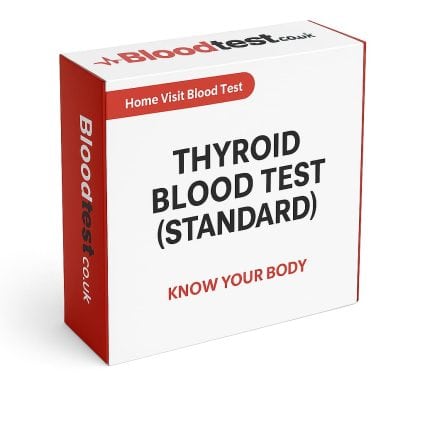
Comprehensive Insights into Thyroid Blood Tests for Enhanced Well-being
What is Involved in a Thyroid Blood Test?
Private Thyroid Blood Test in Norwich: A thyroid blood test acts as a pivotal diagnostic tool to measure the levels of thyroid hormones present in your bloodstream. This evaluation provides critical insights into your thyroid function. The thyroid, a butterfly-shaped gland located in the neck, is essential for regulating numerous bodily functions, including metabolism, energy levels, and overall health. Understanding these hormone levels is crucial for maintaining optimal well-being.

By examining hormones such as TSH (Thyroid Stimulating Hormone), T3 (triiodothyronine), and T4 (thyroxine), healthcare professionals can detect conditions like hypothyroidism (characterised by an underactive thyroid) and hyperthyroidism (characterised by an overactive thyroid). Both conditions can lead to serious health complications if not diagnosed and treated promptly, making regular testing vital for maintaining health.
Recognising the importance of consistent thyroid evaluations is fundamental for effective health management. Many individuals suffering from thyroid-related issues may not display obvious symptoms, underscoring the necessity of routine testing for early detection and intervention. If you experience unexplained fatigue, fluctuating weight, or mood swings, a thyroid blood test can clarify the underlying causes and assist in devising an effective health management strategy.
Understanding the Range of Thyroid Function Tests Available
A variety of thyroid function tests are routinely performed to assess different aspects of thyroid hormone levels. The most commonly conducted tests include:
- TSH Test: This test measures the level of thyroid-stimulating hormone (TSH) in your blood, which regulates the production of T3 and T4 hormones, ensuring balanced thyroid function.
- T4 Test: This test assesses the total thyroxine level in your bloodstream, providing insights into your thyroid's overall functionality and health status.
- T3 Test: This test evaluates the concentration of triiodothyronine, which is essential for identifying hyperthyroidism.
- Free T4 and Free T3 Tests: These tests analyse the unbound (active) forms of T4 and T3 hormones, offering a clearer picture of thyroid activity and effectiveness.
- Thyroid Antibody Tests: These tests detect autoimmune disorders like Hashimoto’s thyroiditis and Graves’ disease by measuring specific antibodies present in the blood.
By comprehending the nuances of each test, patients can engage more effectively with their healthcare providers regarding their thyroid health. It is crucial to consult your physician to determine which tests are most relevant based on your symptoms and medical history, ensuring a tailored approach to your health management.
How Can You Prepare Effectively for a Thyroid Test?
Proper preparation for a thyroid test is essential to ensure accurate results. Generally, fasting for several hours prior to the test is recommended to eliminate any variables that could affect hormone levels. Additionally, it is important to inform your healthcare provider of any medications you are currently taking, as certain drugs may influence hormone levels. For instance, medications such as steroids or those containing biotin can potentially interfere with test results.
Your doctor may provide specific preparatory instructions, which could include avoiding certain foods or supplements before the test. Moreover, it is advisable to refrain from strenuous activities on the day of testing, as physical exertion can also affect hormone levels. A thorough understanding of these preparatory steps will contribute significantly to obtaining the most accurate results, aiding timely and effective medical interventions when necessary.
How to Identify a Trustworthy Thyroid Blood Test Provider in Norwich

Discover Local Clinics Specialising in Thyroid Testing
Norwich is home to several local clinics where you can conveniently access thyroid blood tests. These facilities offer a hassle-free method of obtaining diagnostic testing without the need for a hospital visit. By consulting your GP, you can secure referrals to specific clinics, or you can search online for local options. Here are some notable clinics providing thyroid testing services in Norwich:
- Norwich Medical Practice offers a comprehensive range of thyroid testing services alongside follow-up care.
- Colney Health provides various blood tests, including assessments of thyroid function.
- Broadland Medical Practice: Renowned for its patient-centred approach in managing thyroid health effectively.
- St. Stephen’s Pharmacy: Offers private testing services with swift turnaround times for results.
These clinics are equipped with modern facilities and staffed by experienced professionals, making them excellent choices for your thyroid testing requirements. Each clinic prioritises patient care and aims to deliver accurate results efficiently, ensuring you receive the best health management possible.
Exploring Hospital Services for Comprehensive Thyroid Testing
In addition to local clinics, hospitals in Norwich provide exceptional thyroid testing services, often managed through their endocrinology departments or general pathology laboratories. The Norfolk and Norwich University Hospital is particularly notable as one of the leading facilities for thorough thyroid testing. Here, a multidisciplinary team evaluates thyroid function, guaranteeing accurate diagnoses and customised treatment plans.
This hospital boasts advanced diagnostic technologies, including state-of-the-art tools for hormone analysis. If your condition necessitates further investigation or specialised care, the hospital’s endocrinologists are readily available to assist you with the subsequent steps in managing your thyroid health effectively. Utilising hospital services can be especially beneficial for individuals requiring additional referrals or complex testing protocols.
What Are the Advantages of Private Testing Options for Thyroid Health in Norwich?
If you are seeking quicker results or more flexible appointment options, private testing centres in Norwich can provide a valuable alternative for thyroid blood tests. These facilities typically offer expedited services, allowing you to receive test outcomes more swiftly than through traditional NHS pathways.
Several private clinics, such as The Health Clinic Norwich, deliver comprehensive thyroid testing while prioritising patient convenience and care. Many private providers also facilitate direct access testing, enabling you to book and pay for your test without needing a GP referral. Although private testing may incur higher costs, it often results in faster diagnoses and prompt initiation of treatment, which is particularly advantageous for those experiencing troubling symptoms.
Essential Insights Regarding Thyroid Blood Tests in Norwich
What Do Your Thyroid Test Results Indicate About Your Health?
Understanding the implications of your thyroid test results is crucial for effective health management. A normal TSH level generally ranges from 0.4 to 4.0 mIU/L, while the normal values for T3 and T4 levels can vary. If your results show low TSH alongside high T4 levels, it may indicate hyperthyroidism; conversely, high TSH with low T4 levels typically suggests hypothyroidism.
Real-life scenarios highlight the importance of accurately interpreting these results. For instance, a patient presenting with fatigue and weight gain might be diagnosed with hypothyroidism if their TSH levels are elevated. In contrast, a different patient experiencing a rapid heartbeat and weight loss could be diagnosed with hyperthyroidism if their T3 levels are elevated. Consulting your healthcare provider is vital not only to understand the numerical values but also to grasp the broader implications of your thyroid function and the necessary next steps based on the results.
How Often Should You Undergo Thyroid Testing?
The frequency of thyroid testing largely depends on an individual's health status, existing thyroid conditions, and specific risk factors. For those without thyroid-related issues, routine testing every five years is generally advisable. However, individuals with a history of thyroid disorders or those exhibiting symptoms may require more frequent testing.
Your healthcare provider will assess your situation and recommend an appropriate testing schedule. For example, patients on thyroid medication may need to have their hormone levels checked every three to six months to ensure accurate dosage adjustments. Adopting a proactive approach towards thyroid monitoring can significantly support effective management and reduce the risk of complications.
What Actions Should You Take After Receiving Your Results?
Upon receipt of your thyroid test results, it is essential to consult with your healthcare provider to discuss their implications thoroughly. Depending on your results, your doctor may recommend further testing to confirm a diagnosis or initiate treatment if a thyroid condition is identified.
Understanding your results is merely the first step; developing a comprehensive treatment plan—whether it involves medication, lifestyle changes, or ongoing monitoring—is crucial. Actively participating in these discussions empowers you to make informed decisions about your health and well-being, ensuring that you receive the best care possible.
Where Can You Access a Thyroid Blood Test in Norwich?
You can obtain a thyroid blood test at various convenient locations throughout Norwich, including GP surgeries, private clinics, and hospitals. When selecting a testing facility, consider key factors such as location, expected wait times, and patient reviews to ensure you choose a reputable and accessible option that meets your needs.
Your GP can guide you towards nearby clinics, or you may explore private options for quicker access. It is critical to select a facility that not only aligns with your logistical requirements but also has a solid reputation for quality and accuracy in thyroid testing.
What Symptoms Might Suggest Thyroid Issues?
Identifying Common Symptoms of Hypothyroidism
Hypothyroidism, often referred to as an underactive thyroid, presents a variety of symptoms that frequently go unnoticed until they significantly affect a person's quality of life. Common indicators include persistent fatigue, unexplained weight gain, increased sensitivity to cold, dry skin, and hair loss. Early identification of these symptoms is vital, as they can lead to serious complications if untreated.
For example, an individual may mistakenly attribute their fatigue to stress or the natural aging process, overlooking it as a potential sign of thyroid dysfunction. Early diagnosis enables effective management, often through medication that restores hormonal balance, thus improving energy levels and overall vitality.
Recognising Symptoms of Hyperthyroidism
Conversely, hyperthyroidism displays its own distinct set of symptoms, which may include significant weight loss, rapid heartbeat, heightened anxiety, and increased sensitivity to heat. Recognising these signs is critical for ensuring timely medical intervention.
For instance, someone experiencing unexplained weight loss and excessive sweating may be suffering from hyperthyroidism and should seek medical advice promptly. Ignoring these symptoms can lead to severe health complications, including cardiovascular issues, if not addressed without delay.
When Should You Consult a Doctor About Thyroid Symptoms?
If you notice persistent symptoms that may indicate potential thyroid issues—such as fatigue, weight fluctuations, or mood disturbances—it is essential to consult a doctor for a thorough evaluation. Early assessment through a thyroid blood test can confirm or rule out thyroid dysfunction, allowing for timely intervention and effective management.
Proactively addressing these symptoms with your healthcare provider can substantially enhance your health outcomes and quality of life. Do not hesitate to seek medical advice if you have concerns about your thyroid health.
Understanding the Thyroid Blood Test Procedure
What to Expect During the Blood Draw Process
The procedure for obtaining a thyroid blood test is straightforward and minimally invasive. A healthcare professional will typically collect a small sample of blood from a vein in your arm using a sterile needle. This process usually takes only a few minutes and is well-tolerated by most patients, ensuring a comfortable experience.
After the blood is drawn, it is placed in a vial and sent to a laboratory for thorough analysis. This procedure allows for the measurement of thyroid hormone levels, which are crucial for diagnosing potential thyroid disorders. While some individuals may experience slight discomfort during the blood draw, the process is generally quick and efficient, minimising any anxiety associated with testing.
What Happens to Your Blood Sample After Collection?
Following the collection of your blood sample, the laboratory testing process commences to measure thyroid hormone levels accurately. This analysis typically involves several essential steps:
- Labelling: The sample is tagged with patient information to ensure accurate tracking and identification throughout the testing process.
- Centrifugation: The blood sample is spun in a centrifuge to separate the serum from other blood components, preparing it for testing.
- Testing: The serum is then analysed for TSH, T3, and T4 levels using advanced immunoassay techniques, which provide reliable results.
- Reporting: The results are compiled and communicated to the healthcare provider, ensuring timely delivery of essential health information.
Each of these steps is vital for obtaining reliable results that will guide your diagnosis and treatment plan. Understanding this process demystifies thyroid testing and highlights its importance in managing your thyroid health effectively and efficiently.
How Long Will It Take to Receive Your Results?
The time required to receive thyroid test results can vary based on the laboratory's workload and the specific tests conducted. Generally, patients can expect to receive results within a few days to a week.
In private clinics, results may be available within 24 to 48 hours, facilitating prompt treatment decisions. It is advisable to discuss with your healthcare provider the expected turnaround time after your blood draw, allowing you to plan accordingly for follow-up consultations.
Strategies for Effective Thyroid Blood Testing in Norwich
How to Select the Right Testing Facility for Accurate Results
Choosing an appropriate testing facility is crucial for obtaining accurate thyroid test results. When searching for a reputable testing centre in Norwich, consider the following factors:
- Accreditation: Ensure that the facility is accredited by relevant health authorities and meets established quality standards for laboratory testing.
- Reputation: Look for patient reviews and testimonials regarding their experiences with the facility, as this information can guide your decision.
- Staff Expertise: Verify that the personnel conducting the tests are qualified and experienced, contributing to reliable results.
- Facilities: Evaluate the available technology and equipment for testing, ensuring that the facility utilises modern and effective methods.
By following these guidelines, you can make informed decisions regarding where to have your thyroid tests performed, ensuring you receive high-quality care and accurate results that support your health management journey.
How to Prepare Effectively for Your Thyroid Test Appointment
Proper preparation for your thyroid test appointment is vital to ensure accurate results. Follow any fasting or medication guidelines provided by your healthcare provider. For example, if instructed to fast, refrain from eating or drinking anything except water for several hours before the test.
Additionally, compile a comprehensive list of any medications, supplements, or vitamins you are currently taking and discuss these with your doctor, as they may impact your results. Understanding these preparatory measures can significantly influence the accuracy of your test results and ultimately your health management.
What to Expect During Your Blood Test Experience
Upon arrival for your thyroid blood test, you can anticipate a quick, relatively painless procedure. A trained nurse or phlebotomist will prepare you and ensure you feel comfortable throughout the process. They will cleanse the area on your arm from which the blood will be drawn and then insert a sterile needle to collect the sample.
Most patients experience minimal discomfort, often described as a brief pinch. Once the blood has been drawn, a small bandage will be applied to the site. Typically, you can return to your normal activities immediately unless advised otherwise by your healthcare provider, ensuring a smooth transition back into your daily routine.
How to Interpret Your Thyroid Test Results Effectively
Gaining the ability to interpret your thyroid blood test results is essential for effective health management. Normal ranges for TSH typically fall between 0.4 and 4.0 mIU/L, while T3 and T4 levels may vary based on individual health. Understanding these ranges helps you identify when your results fall outside of normal parameters, prompting necessary action.
Abnormal levels can indicate various thyroid disorders, and your healthcare provider will assist you in understanding what these findings imply concerning your overall health. Engaging in discussions about your results is crucial for developing a personalised approach to your thyroid management and ensuring optimal health outcomes.
The Importance of Regular Thyroid Monitoring for Health Maintenance
How Regular Testing Can Prevent Serious Health Complications
Regular thyroid monitoring is vital for preventing complications associated with thyroid disorders. Conditions like hypothyroidism and hyperthyroidism can lead to severe health issues, including cardiovascular diseases, osteoporosis, and reproductive complications if left undiagnosed or untreated.
By scheduling routine thyroid tests, patients can quickly identify abnormalities and take appropriate actions to mitigate these risks. This proactive approach significantly enhances long-term health outcomes and overall quality of life, ensuring that individuals maintain optimal thyroid function.
Effectively Managing Existing Thyroid Conditions
For individuals already diagnosed with thyroid conditions, consistent monitoring is essential for effective management. Regular assessments of hormone levels enable timely adjustments to treatment plans, ensuring that patients receive the correct dosage of medication tailored to their needs.
- Enhanced Energy Levels: Regular testing allows for personalised treatment plans that boost energy levels, helping individuals feel more vibrant and active.
- Weight Regulation: Adjusting treatments based on test outcomes supports effective weight management, crucial for maintaining a healthy lifestyle.
- Mood Stabilisation: Consistent monitoring aids in stabilising mood for individuals with thyroid dysfunction, contributing to improved mental health.
- Preventing Further Health Complications: Early detection and response to fluctuations can prevent more severe conditions, safeguarding long-term health.
Effective management through regular testing empowers individuals with thyroid conditions to lead healthier, more balanced lives, enhancing their overall well-being and quality of life.
Promoting Overall Health and Well-being Through Monitoring
Regular monitoring of thyroid health plays a significant role in overall well-being. By ensuring that thyroid hormone levels remain within normal limits, patients can experience stable energy, effective weight management, and improved mood stability.
This holistic approach to health allows individuals to take charge of their thyroid management, ultimately leading to enhanced life satisfaction and physical well-being. Routine check-ups guarantee that patients stay informed about their health status, enabling them to make necessary lifestyle adjustments that support their overall health journey.
The Benefits of Early Detection of Thyroid Issues
One of the most significant advantages of regular thyroid monitoring is the early identification of thyroid issues. Detecting problems before they escalate allows for timely intervention and improved health outcomes. Symptoms like fatigue or unexplained weight changes may indicate thyroid dysfunction, but regular testing can confirm or dismiss these concerns effectively.
Early detection enables healthcare professionals to initiate treatments that effectively restore hormonal balance, significantly improving patients’ quality of life while minimising the risk of complications. This proactive approach is essential for maintaining optimal thyroid function and overall health.
The Importance of Tailored Treatment Plans for Thyroid Health
Consistent thyroid monitoring is crucial in developing personalised treatment plans tailored to individual needs. As hormone levels fluctuate, healthcare providers can adjust treatments accordingly, ensuring that each patient’s unique situation is considered in their health management.
This tailored strategy enhances thyroid management, enabling patients to achieve optimal results. Regular consultations and testing are critical to this ongoing process, empowering healthcare providers to refine treatment strategies for the best outcomes based on each individual's specific requirements.
Frequently Asked Questions Regarding Thyroid Blood Tests
What is the main purpose of a thyroid blood test?
A thyroid blood test measures hormone levels to evaluate thyroid function and assist in diagnosing conditions like hypothyroidism and hyperthyroidism, ensuring effective health management.
How should I prepare for a thyroid blood test?
Preparation may involve fasting for several hours and avoiding certain medications. Your doctor will provide specific instructions tailored to your individual health needs.
How long will it take to receive my thyroid test results?
Typically, you can expect results within a few days to a week, depending on the testing facility and the specific tests ordered for your evaluation.
What do abnormal thyroid test results indicate?
Abnormal results may signify thyroid dysfunction, such as hypothyroidism or hyperthyroidism, necessitating further evaluation and treatment for optimal health outcomes.
Is it possible to obtain a thyroid blood test without a doctor’s referral?
Yes, many private clinics offer direct access testing, allowing you to book and pay for a thyroid test without requiring a referral from a GP.
What symptoms should prompt me to seek a thyroid test?
Symptoms such as fatigue, weight fluctuations, mood swings, and sensitivity to temperature should prompt a conversation with your doctor about thyroid testing to ensure timely intervention.
How often should I have my thyroid levels checked?
The frequency of testing depends on your health condition; individuals with thyroid disorders are often advised to test every three to six months to ensure effective management.
Can lifestyle modifications influence thyroid function?
Yes, factors such as diet, exercise, and stress management can significantly impact thyroid function and overall hormonal balance, affecting your health.
What occurs during a thyroid blood test?
A small amount of blood is drawn from a vein, typically in your arm, and subsequently sent to a laboratory for detailed analysis of thyroid hormones.
Is a thyroid blood test painful?
The blood draw may cause a brief pinch or prick, but it is generally well-tolerated and not considered painful by most individuals undergoing the procedure.

Connect with us on Facebook!

This Article Was First Found On https://bloodtest.co.uk
The Article Thyroid Blood Test: Your Essential Guide in Norwich Was Found On https://limitsofstrategy.com