Effective Hydration Strategies to Enhance Athletic Performance
Which Fluids Are Most Trusted by Athletes for Optimal Hydration?
Hydration Strategies from Athletes: Hydration is paramount for optimising athletic performance, and athletes utilise a diverse array of fluid sources to maintain their peak physical condition. The primary recommendations include:
- Water
- Electrolyte beverages
- coconut water
- Fruit-infused water
- Herbal teas
- Sports gels
- Broths
- Dairy or plant-based milk alternatives
These selections do much more than simply quench thirst; they are crucial for sustaining energy levels and preventing dehydration, particularly during intense training sessions and competitive events. Athletes recognise that a varied range of fluids can significantly enhance both hydration and recovery, which is vital for excelling under diverse conditions. For lighter activities, plain water may suffice, but during high-intensity exercise, electrolyte-rich drinks become essential for replenishing lost minerals. Many professional athletes experiment with various combinations of these fluids to discover the optimal mix that best supports their unique performance requirements, adjusting their choices based on personal preferences and environmental factors.
What Daily Hydration Practices Should Active Individuals Adopt?
Establishing a consistent hydration routine is vital for anyone leading an active lifestyle, as illustrated by athletes through their disciplined practices. The timing and quantity of fluid intake are critical; consistently drinking throughout the day helps to avert dehydration. Typically, athletes begin their mornings with water and continue hydrating before, during, and after their workouts. This strategy ensures that their bodies remain in optimal condition for both performance and recovery. Carrying a water bottle acts as a helpful reminder to stay hydrated, especially during busy days filled with activities.
Moreover, incorporating hydration into meals significantly enhances overall fluid balance. Active individuals are encouraged to consume water or other hydrating beverages with every meal and snack, fostering a habit that naturally increases daily fluid intake without requiring excessive effort. This integration makes hydration an effortless part of their daily routine, thereby promoting better health and performance.
What Are the Key Signs of Dehydration to Monitor?
Recognising the early warning signs of dehydration is crucial for maintaining equilibrium during athletic activities. Athletes are trained to identify these indicators and respond swiftly, ensuring that their health and performance remain uncompromised. Common symptoms include a dry mouth, fatigue, dark yellow urine, and dizziness. Athletes understand that even mild dehydration can adversely impact their performance, leading to increased perceived exertion and reduced overall stamina.
By remaining vigilant about these symptoms, athletes can take proactive measures, such as boosting fluid intake or adjusting their hydration strategies. Awareness of dehydration symptoms not only assists during competitions but also enhances daily activities, ensuring sustained endurance and vitality in their pursuits. Recognising these signs early can make a significant difference in maintaining performance levels.
What Hydration Techniques Do Athletes Use During Workouts?

To maintain performance and stave off fatigue, athletes implement a variety of hydration techniques during their workouts. These methods are often tailored based on the intensity of the activity and the prevailing environmental conditions, reflecting a strategic approach to fluid consumption. One effective strategy involves sipping fluids at regular intervals instead of consuming large amounts at once. This steady approach promotes adequate hydration without overwhelming the digestive system, allowing better absorption.
Furthermore, athletes adjust their fluid intake according to factors like temperature and humidity, understanding that sweat loss can vary greatly depending on the environment. For instance, in hotter conditions, athletes may increase their fluid intake to counteract greater sweat loss, while in cooler climates, they may focus on maintaining hydration levels to prevent fatigue. By personalising their hydration strategies, athletes can enhance their energy and performance levels during workouts.
What Is the Importance of Electrolytes in Athletic Hydration?
Electrolytes, such as sodium and potassium, play a critical role in athletic hydration, essential for maintaining fluid balance, supporting muscle function, and preventing cramps. Athletes prioritise replenishing lost electrolytes during and after intense activities to enhance recovery. Effective sources of these electrolytes include sports drinks, coconut water, and specific foods, helping athletes sustain proper electrolyte levels, which are crucial for optimal performance.
Athletes should evaluate their individual needs based on activity duration and environmental conditions to tailor their electrolyte intake effectively. Including snacks rich in electrolytes, such as bananas and salted nuts, can also prove beneficial. This comprehensive approach ensures both hydration and electrolyte balance, promoting endurance and reducing the risk of muscle cramps that can hinder performance.
How Do Athletes Maintain Hydration Throughout Competitive Events?
What Fluid Intake Strategies Are Effective During High-Intensity Activities?
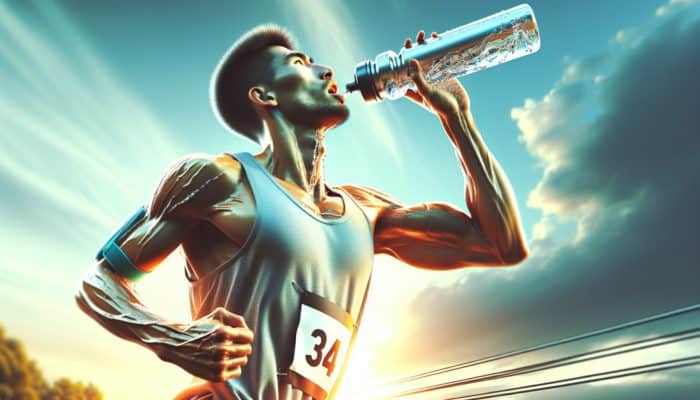
During high-intensity activities, athletes implement timed fluid intake to maintain both energy and hydration. This approach not only helps sustain optimal performance but also prevents dehydration-related adverse effects. A common practice involves drinking small amounts of fluid at regular intervals instead of consuming large quantities at once. This method is notably effective, allowing the body to absorb fluids without causing discomfort or bloating.
In addition to timing, athletes often adjust their fluid intake according to the intensity of their exertion. For example, during a marathon, runners might hydrate with water or electrolyte drinks at designated hydration stations to stay refreshed while concentrating on their pace. These practical methods can be applied across various sports, benefiting both weekend athletes and competitive participants, ensuring they remain adequately hydrated throughout their events.
How Can Athletes Accurately Monitor Their Hydration Levels?
Effectively tracking hydration is crucial for athletes to avoid fatigue and enhance concentration during extended efforts. Numerous tools and techniques have emerged to monitor hydration status, empowering athletes to maintain peak performance and responsiveness. One widely adopted method involves observing urine colour, aiming to keep it light yellow, which indicates adequate hydration levels. Athletes also monitor their body weight before and after exercise sessions, as significant weight loss can signal fluid loss that necessitates replenishment.
Moreover, some athletes utilise hydration tracking apps or wearable devices to gain real-time insights into their fluid intake. These tools can provide alerts when it is time to hydrate, adding an extra layer of accountability and support for their hydration strategies during events, which can be crucial for maintaining performance over time.
What Common Hydration Mistakes Do Athletes Encounter During Events?
In their quest for peak performance, athletes often overlook critical hydration mistakes that can impede their effectiveness. Identifying these common errors can provide valuable insights into avoiding pitfalls that disrupt sustained performance during events. One common misstep is inadequate planning, where athletes neglect to devise a hydration strategy prior to an event. This oversight can lead to dehydration, diminished energy, and impaired focus, which collectively affect performance.
Another frequent mistake is relying solely on thirst to gauge hydration, which can delay fluid intake. Additionally, some athletes fail to adapt their hydration strategies to the specific conditions of their event, such as temperature and humidity. Tailoring fluid intake based on these variables is essential for maintaining optimal performance. By learning from common mistakes, athletes can refine their hydration practices to enhance outcomes and ensure they are well-prepared for competitive challenges.
Expert Recommendations for Effective Hydration Practices for Athletes
What Practical Steps Should Athletes Implement for Hydration Planning?
Creating a personalised hydration plan is crucial for athletes striving to optimise their performance. Taking actionable steps can help athletes develop effective habits tailored to their unique needs. It begins with a thorough assessment of daily fluid requirements. For instance, evaluating your activity level, environmental factors, and personal preferences empowers a customised approach to hydration. Athletes should also establish a baseline fluid intake and gradually adjust it based on training intensity and duration, ensuring they meet their needs.
Moreover, incorporating practical routines, such as drinking a glass of water before every meal or setting hydration reminders on their devices, can help foster consistency. Additionally, experimenting with various electrolyte sources before and after workouts can refine hydration strategies to enhance recovery and overall performance, ultimately ensuring they remain at the peak of their game.
What Key Guidelines Do Athletic Nutritionists Advocate for Hydration?
Insights from athletic nutritionists highlight essential guidelines for maintaining fluid balance, which can significantly enhance athletes' vitality and recovery. One key principle is to create a hydration schedule that aligns with individual training routines and competition timelines. Nutritionists often recommend setting a specific fluid intake goal based on exercise duration and sweat loss to refine hydration strategies effectively.
Furthermore, integrating both water and electrolyte beverages into daily routines is crucial for sustaining fluid balance, particularly during high-intensity scenarios. The long-term benefits of consistent hydration practices encompass enhanced stamina, reduced injury risks, and improved recovery. These guidelines serve as a reminder that hydration is not merely an afterthought but a fundamental aspect of training and performance strategies, vital for athletes aiming to excel.
What Advanced Monitoring Techniques Can Athletes Employ?
Employing advanced monitoring techniques can enhance hydration practices for athletes aiming for consistent performance improvements. One effective strategy is conducting regular body weight checks, which provide valuable insights into fluid loss during exercise. Furthermore, tracking sweat rates during training sessions can help athletes adjust their fluid intake accordingly. For instance, if an athlete experiences significant weight loss, they might increase their fluid consumption in future sessions to better align with their hydration needs, ensuring optimal performance.
Utilising technology, such as hydration-tracking applications that sync with fitness wearables, offers real-time updates and personalised insights. These techniques empower athletes to make informed decisions regarding their hydration strategies, ultimately improving their performance and recovery by providing actionable data.
What Are the Key Benefits of Maintaining Proper Hydration?
How Does Adequate Hydration Impact Energy Levels?
Maintaining sufficient fluid intake is essential for boosting stamina and minimising fatigue, as demonstrated in athletic performance. Well-hydrated athletes enjoy improved focus and increased productivity, both during competitions and in their daily activities. When athletes maintain optimal hydration, they can sustain energy output for extended periods, enabling them to push through fatigue and uphold high performance. Conversely, insufficient hydration often leads to decreased energy and motivation, adversely affecting both physical and mental performance. This connection between hydration and energy levels extends beyond athletics, influencing anyone engaged in physical activities or demanding daily tasks.
Proper hydration not only supports peak performance but also contributes to overall well-being, highlighting its vital role in maintaining a healthy lifestyle.
What Effects Does Hydration Have on Recovery and Muscle Function?
Proper hydration profoundly influences recovery and muscle function, which athletes closely monitor in their training regimens. Adequate fluid intake accelerates recovery by facilitating nutrient transportation and waste removal from muscles, which is critical for optimal performance. When athletes consume sufficient fluids, they enhance muscle efficiency and reduce the likelihood of cramps, which can significantly hinder performance during competitions. Hydration also aids in repairing muscle microtears, promoting resilience and allowing for faster recovery between training sessions. Ultimately, maintaining appropriate hydration levels becomes a crucial aspect of an athlete's regimen, ensuring they can consistently perform at their best while minimising injury risks and promoting overall muscle health.
What Long-Term Health Benefits Are Linked to Proper Hydration?
Consistent hydration practices yield long-term health benefits that extend well beyond athletic performance. Sustained fluid intake supports a stronger immune system by ensuring proper function across various bodily systems. Additionally, hydration is essential for maintaining skin health, regulating body temperature, and enhancing cognitive function. Athletes often recognise that prioritising hydration not only boosts their performance but also fosters overall vitality, contributing to longevity in their sports and daily lives.
Balanced fluid intake throughout the day promotes wellness and supports a lifestyle that values hydration as a foundational aspect of health. This long-term perspective emphasises that hydration is an investment not only in athletic performance but also in lifelong well-being, underscoring its importance across all facets of life.
Evidence-Based Advantages of Hydration Techniques Utilised by Athletes
What Real-Life Examples Illustrate the Success of Hydration Practices?
Real-life examples highlight the transformative effect of hydration on athletic success. Numerous athletes have reported improved endurance after adopting structured hydration strategies, underscoring the practical applications of hydration research. For example, a marathon runner who carefully planned their hydration schedule experienced enhanced stamina and fewer performance dips. By adhering to specific pre-race hydration routines, they maintained consistent performance throughout the race, demonstrating how focused hydration strategies can yield tangible results.
Such case studies encourage others to take actionable steps by experimenting with their hydration practices. By learning from the successes of others, individuals can tailor these findings to their routines and optimise their hydration strategies, ultimately boosting their performance.
What Factors Affect Hydration Efficiency in Athletes?
Several factors significantly influence hydration efficiency, impacting an athlete's performance. One major variable is climate; hot and humid conditions increase sweat loss, necessitating higher fluid intake. Additionally, the intensity and duration of the activity are critical factors in determining hydration needs. Athletes engaged in prolonged, vigorous training sessions must proactively manage their fluid intake to prevent dehydration and maintain performance levels.
Other factors, such as altitude and individual metabolism, can also affect how effectively the body absorbs and utilises fluids. Understanding these variables enables athletes to adjust their hydration strategies, ensuring optimal performance across varied settings and conditions.
Why Is Timing Critical in Hydration Techniques?
Timing is a crucial element in hydration strategies, as research indicates that scheduled fluid intake can enhance performance. Athletes demonstrate that consuming fluids at designated intervals improves hydration absorption and utilisation. For instance, hydrating before an event prepares the body for exertion, while consistent intake during the activity helps prevent performance dips. Athletes often emphasise post-workout hydration to support recovery, underscoring the significance of timing in establishing an effective hydration routine. This structured approach helps athletes maintain peak condition by enhancing fluid balance and energy management.
Why Is Hydration Indispensable for Athletic Performance?
What Role Does Electrolyte Balance Play in Hydration?
Maintaining electrolyte balance is critical for athletic hydration, as these minerals regulate bodily fluids, prevent cramps, and support muscle function. Athletes prioritise maintaining electrolyte levels to bolster strength and coordination during physical activity. When electrolyte levels become imbalanced, fatigue and diminished performance can occur, negatively impacting overall output. By replenishing their electrolytes through strategic hydration, athletes can recover more swiftly, creating optimal conditions for muscle function and energy levels. Therefore, electrolyte balance is an integral component of an athlete's hydration strategy, highlighting its significance in both training and competition.
How Does Hydration Affect Cognitive Clarity?
Hydration directly influences cognitive clarity, a fact well recognised by athletes. Maintaining adequate fluid levels is essential for sharp focus and effective decision-making during physically demanding situations. Dehydration can lead to cognitive decline, impacting reaction times and overall performance. Athletes understand that remaining hydrated helps them stay engaged and alert, which is crucial for executing complex strategies in competitive scenarios. Integrating hydration into training routines not only enhances physical performance but also boosts mental acuity, contributing to athletes' effectiveness under pressure.
What Risks Are Associated with Insufficient Hydration?
Inadequate hydration presents significant risks that can diminish performance and lead to health complications. Athletes emphasise the importance of preventive strategies to mitigate these risks and ensure safer, more effective training sessions. Common risks include:
- Reduced endurance
- Muscle cramps
- Increased heart rate
- Impaired cognitive function
To address these concerns, athletes adopt proactive hydration strategies to ensure they are well prepared for physical demands. By prioritising hydration, they can enhance performance and safeguard their health, ultimately ensuring they can reach their goals and maintain their well-being.
What Advanced Techniques Can Enhance Hydration Strategies?
How to Personalise Hydration Plans for Different Activities?
Customising hydration plans based on activity intensity is essential for optimising performance. Athletes understand that tailoring their approaches ensures adaptability to different personal needs and circumstances. For example, endurance athletes may require different hydration strategies than those engaged in strength training. Adjusting fluid intake based on exercise type, duration, and environmental conditions supports more effective hydration that meets specific demands, enabling athletes to thrive in various settings.
This adaptability not only maximises performance but also minimises dehydration-related risks, enabling athletes to excel across various activities and situations.
How to Combine Hydration with Nutritional Choices?
Integrating hydration with nutritional choices is crucial for athletes looking to enhance overall energy and recovery. Combining fluids with meals improves absorption and ensures that the body receives adequate hydration alongside essential nutrients. For instance, consuming fruits with high water content, such as watermelon or oranges, hydrates while providing vital vitamins and minerals. Athletes often develop meal plans that prioritise hydrating foods to support their overall hydration, contributing to better performance and recovery.
By synergising hydration and nutrition, athletes elevate their energy levels and performance, fostering a holistic approach to their training regimens that encompasses both physical and nutritional aspects.
How to Track Progress in Hydration Habits?
Monitoring progress in hydration habits is vital for achieving long-term balance and efficiency. Simple metrics can assist athletes in refining their techniques and tracking improvements over time.
- Daily fluid intake logs
- Body weight variations pre- and post-exercise
- Urine colour observations
- Symptom tracking (e.g., fatigue, cramping)
By employing these tracking methods, athletes can adjust their hydration strategies based on personal needs and performance outcomes. This proactive approach fosters accountability and ensures sustained success in effectively managing hydration, contributing to overall performance enhancement.
How Does Technology Improve Hydration Monitoring?
Utilising technology to monitor hydration can significantly enhance hydration strategies. Wearable devices and apps provide real-time fluid tracking, delivering valuable, data-driven insights that inform athletes about their hydration status throughout training and events. These technological solutions enable athletes to make personalised adjustments to their hydration plans, helping to prevent both overhydration and dehydration. By leveraging such innovations, athletes can optimise their performance during activities, ensuring their hydration strategies align with their unique needs and exertion levels. As technology continues to evolve, its integration into hydration practices is likely to become an essential element of elite athletic training, further enhancing performance outcomes.
What Is the Significance of Electrolyte Balance in Hydration Plans?
Maintaining electrolyte levels is essential for advanced hydration strategies. Athletes frequently use sports drinks or supplements tailored to activity duration and intensity to prevent imbalances that can lead to cramps and fatigue. Understanding specific electrolyte needs based on sweat loss and activity demands enables athletes to tailor their hydration plans effectively. This proactive strategy ensures sustained energy and recovery while minimising performance dips linked to electrolyte deficiencies. By integrating electrolyte management into their hydration strategies, athletes can maximise endurance and overall performance, underscoring the importance of a comprehensive approach to hydration.
Frequently Asked Questions
What is the most effective way to hydrate during exercise?
Maintaining hydration during exercise involves consuming small amounts of fluid regularly rather than large amounts at once. This approach helps uphold optimal hydration levels without causing discomfort or bloating.
How can I tell if I'm dehydrated?
Signs of dehydration include a dry mouth, fatigue, dark yellow urine, and dizziness. Monitoring these symptoms can assist you in practising better hydration and maintaining optimal performance.
What should I drink to stay hydrated?
Water is fundamental, but including electrolyte beverages, coconut water, and hydrating foods can significantly boost hydration, especially during intense activities and prolonged efforts.
How much water should I drink daily?
While individual needs can vary, a common guideline suggests drinking at least 8-10 cups (2-2.5 litres) of water daily, adjusting based on activity level and environmental factors to ensure adequate hydration.
Are sports drinks necessary for hydration?
Sports drinks can be advantageous for extended exercise sessions, particularly when electrolyte loss is substantial. They help replenish lost minerals, but may not be essential for shorter activities or casual workouts.
Can I hydrate through food?
Absolutely, many fruits and vegetables have high water content and contribute to overall hydration. Foods like watermelon, cucumbers, and oranges are excellent choices for boosting hydration levels.
What role do electrolytes play in hydration?
Electrolytes regulate fluid balance and muscle function, preventing cramps and ensuring optimal performance. Maintaining electrolyte levels is crucial during intense activities to support athletic success.
How does climate affect hydration needs?
Hot and humid conditions increase sweat loss, necessitating higher fluid intake. Athletes must adjust their hydration strategies according to the environment to maintain optimal performance levels.
Can I overhydrate?
Yes, overhydration can lead to a condition known as hyponatremia, where sodium levels drop dangerously low. It's crucial to balance fluid intake, especially during prolonged exercise, to prevent health risks.
What are the long-term benefits of proper hydration?
Sustained hydration practices lead to better energy levels, faster recovery, improved cognitive function, and overall long-term health, enhancing both athletic performance and daily well-being.
Join us on Facebook for more updates!
The Article Hydration Hacks from Athletes: Essential Tips for Peak Performance appeared first on https://athleticsupplement.com
The Article Athletes’ Hydration Hacks for Optimal Performance Was Found On https://limitsofstrategy.com