Unlock Critical Insights on the Role of Class 2 Builders in Sydney for Your Construction Project
When embarking on the exciting journey of building an apartment block, a duplex featuring unit arrangements with one positioned above another, or any multi-unit residential project in the vibrant city of Sydney, you will frequently encounter the term “Class 2 builder.” This terminology is more than just a trend; it signifies an essential registration requirement mandated by NSW law, distinguishing qualified builders from those lacking the necessary credentials to execute your project efficiently. Understanding this term is crucial, as it directly impacts the quality, safety, and legal compliance of your construction venture.
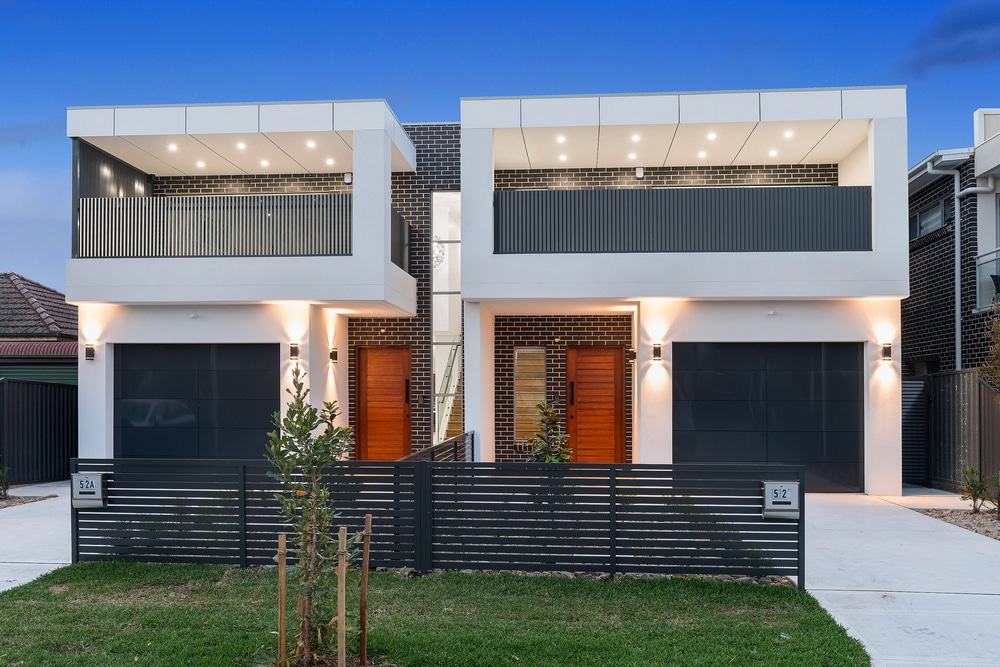
Prior to signing any contract for your building project, it is imperative to thoroughly understand the implications of hiring a Class 2 builder. Being well-informed empowers you to navigate potential challenges effectively and secure your investment for the long term.
Understanding Class 2 Buildings Under Current Construction Regulations
According to the National Construction Code, a Class 2 building is defined as a structure designed for multi-unit residential living, where two or more dwellings are arranged either vertically above or below each other. This classification encompasses:
- Apartment buildings and residential flat buildings
- Townhouses featuring vertically stacked dwellings
- Duplexes that have one dwelling positioned directly above another (as opposed to side-by-side configurations)
- Mixed-use buildings comprising residential apartments above commercial spaces
- Single-storey unit complexes that include shared amenities, such as basement car parks situated below
The essential concept here is vertical stacking. A duplex with two separate dwellings placed side by side typically falls under Class 1a, categorising them as two independent houses. However, once you introduce stacked living arrangements or shared basement parking into the design, the classification transitions to Class 2.
Understanding the Significance of Special Registration for Class 2 Builders in NSW
In the wake of significant structural issues that arose from the Mascot Towers and Opal Tower incidents in 2019, the NSW Government initiated comprehensive reforms aimed at elevating construction standards. The Design and Building Practitioners Act 2020 established a new registration framework specifically targeting practitioners engaged in Class 2 buildings.
Under this legislation, builders involved in Class 2 projects must:
- Maintain specific registration with NSW Fair Trading as recognised building practitioners
- File declarations of compliance for all building work undertaken
- Possess adequate professional indemnity insurance
- Fulfil ongoing competency and training requirements
This process goes beyond mere legislative compliance; the Act mandates builders to personally affirm that their work adheres strictly to the Building Code of Australia, with substantial penalties imposed for any false declarations. This framework is designed to ensure that only builders with genuine expertise in complex, multi-storey residential construction are entrusted with these significant projects.
Clarifying the Distinction Between Class 2 Builders and Tier 2 Contractors
Confusion often arises regarding the terms “Class 2” and “Tier 2” within the construction industry. These concepts are fundamentally different:
Class 2 specifically refers to the classification of the building itself — it outlines the type and nature of the structure being constructed.
Tier 2, on the other hand, pertains to the size and capabilities of the contractor — typically large, established construction firms with substantial turnover and extensive project capabilities. It addresses who is accountable for the construction.
A Tier 2 contractor may indeed construct Class 2 buildings, but a smaller, specialised builder can also undertake such projects if they hold the appropriate registration. When seeking a “Class 2 builder,” it is crucial to focus on their registration status concerning that specific building type, irrespective of the size of their company.
The Essential Role of Class 2 Builder Registration in Your Construction Project
Engaging a Class 2 building practitioner is vital for ensuring the success of your project. If you attempt to develop a Class 2 building without employing a properly registered builder, you expose yourself to considerable risks:
Legal compliance: Undertaking work on Class 2 buildings by unregistered practitioners is illegal under the Design and Building Practitioners Act. This violation could invalidate your insurance, create liability issues, and complicate future property sales.
Quality assurance: Registered builders are required to submit compliance declarations at critical project milestones. This requirement enhances accountability and protects you from the dangers associated with defects and substandard workmanship.
Certification and approval: Certifiers are increasingly verifying builder registration before issuing occupation certificates. An unregistered builder could leave you with a structure that you cannot legally occupy.
Resale value: Buyers and their legal representatives routinely scrutinise compliance documentation. A property constructed by unregistered practitioners carries a significant stigma in the market, adversely affecting its resale potential.
Essential Questions to Pose to Your Builder Prior to Commencing Your Project
Before finalising any agreement with a builder for a Class 2 project in Sydney, ensure you inquire about the following:
- Are you registered under the Design and Building Practitioners Act?
Request their registration number and confirm it on the NSW Fair Trading public register. - What Class 2 projects have you completed since the 2020 reforms?
Experience within the new compliance framework is essential. - How do you manage design compliance declarations?
A registered builder should provide a clear and detailed explanation of the declaration process. - What is your strategy for collaborating with registered design practitioners?
Class 2 projects necessitate the engagement of registered architects and engineers; your builder must work effectively within this framework.

Phase Projects: Your Trusted Registered Class 2 Builder in Sydney
At Phase Projects, we are fully registered as building practitioners for Class 2 residential buildings, in compliance with the Design and Building Practitioners Act 2020. This registration signifies our technical expertise and unwavering commitment to meeting the compliance standards that protect our clients' interests.
Our extensive experience encompasses a diverse range of Class 2 construction:
- Duplexes with basement parking: where the shared garage necessitates compliance with Class 2 requirements
- Multi-level residential constructions: including our HIA award-finalist Brighton-Le-Sands waterfront residence
- Complex construction sites: encompassing sloping blocks, coastal sites, and urban infill projects that demand sophisticated engineering solutions
Led by Mohamed, who boasts over 20 years of construction experience, including six years in civil projects and 14 years in residential building, we possess the technical expertise required for Class 2 projects. We intentionally limit the number of projects we undertake to ensure we deliver the quality and compliance that these builds necessitate.
If you are contemplating a duplex, apartment, or multi-dwelling construction in Sydney, reach out to us to discuss your project. We will clarify what your site requires and how we guarantee comprehensive compliance from the design phase all the way to project completion.
Request Your Free Quote for Your Class 2 Project Today
Provide your details to us, and our team will respond within 24 hours. There is no obligation; just practical guidance from Sydney’s reputable builders. Prefer to communicate via email? Contact us at info@phaseprojects.com.au
Frequently Asked Questions Regarding Class 2 Builders
What constitutes a Class 2 builder in NSW?
A Class 2 builder is a building practitioner who has achieved registration under the NSW Design and Building Practitioners Act 2020, granting them the authority to construct or renovate Class 2 buildings. Class 2 buildings are defined as multi-unit residential structures where the dwellings are vertically stacked above or below each other — this encompasses apartment buildings, vertically-aligned duplexes, and residential complexes with shared basement parking. This registration requires specific qualifications, appropriate insurance, and ongoing compliance with NSW Fair Trading requirements.
How can I verify if a builder is registered for Class 2 work in NSW?
You can confirm a builder’s registration status through the NSW Fair Trading public register. Request the builder's registration number and conduct a search at fairtrading.nsw.gov.au. The register will display their registration status, any relevant conditions, and the types of building work they are authorised to undertake. Always verify this information before finalising a contract for any Class 2 project.
Is a duplex classified as a Class 2 building?
The classification of a duplex hinges on its configuration. A side-by-side duplex where both living spaces exist on the same level is typically classified as Class 1a (considered as two separate houses). However, a duplex transitions into a Class 2 classification when one dwelling is positioned above or below another, or when both dwellings include shared areas like basement parking underneath. If you have questions regarding your duplex project classification, consult a registered builder or your certifier for clarity.
What prompted the introduction of Class 2 builder registration in NSW?
The registration system was established following the discovery of significant structural defects in the Mascot Towers and Opal Tower incidents during 2018-2019. The NSW Government enacted the Design and Building Practitioners Act 2020 to enhance accountability in the construction of multi-storey residential buildings. This Act mandates that builders and design practitioners be registered, carry adequate insurance, and submit compliance declarations, thereby creating a thorough record of accountability that safeguards property owners.
What differentiates Class 2 from Tier 2 in the construction sector?
Class 2 specifies the type of building (namely, multi-unit residential buildings as defined in the National Construction Code), whereas Tier 2 refers to the size and capabilities of the contractor (typically larger construction firms with annual revenue ranging from $50 million to $500 million). A smaller, specialised builder can be registered for Class 2 work, while a Tier 2 contractor might also construct Class 1 houses. These concepts are distinct — one describes the nature of what is being built, while the other identifies who is responsible for the construction.
Can any licensed builder undertake the construction of a Class 2 building in NSW?
No, it is not permissible. Since July 2021, builders involved in Class 2 construction in NSW must possess specific registration under the Design and Building Practitioners Act 2020, in addition to their standard contractor license. This registration necessitates proven competency in Class 2 construction, possession of professional indemnity insurance, and a commitment to ongoing compliance obligations. A general residential building license alone is insufficient.
What are the risks associated with hiring an unregistered builder for a Class 2 project?
Employing an unregistered builder for Class 2 work presents significant risks. The construction may not comply with NSW law, potentially voiding insurance policies and exposing the property owner to personal liability. Certifiers may refuse to issue occupation certificates, resulting in a building that you cannot legally occupy or sell. Future buyers are likely to uncover compliance gaps during due diligence, which can severely impact resale value.
Does having basement parking classify my project as Class 2?
In many cases, yes. If basement parking or storage is shared among multiple dwellings — such as a duplex with a common underground garage — the building is generally classified as Class 2. The existence of a shared common area triggers the multi-unit classification, even if the dwellings above are arranged side by side. Your architect or certifier can confirm the classification based on your specific design.
What is the anticipated cost of hiring a Class 2 builder in Sydney?
Class 2 projects typically incur higher costs compared to similar Class 1 builds, primarily due to increased engineering requirements, comprehensive compliance documentation, and the complexities of construction. Costs can vary significantly based on site conditions, design details, and the quality of finishes. For a duplex with basement parking in Sydney, expect construction costs to range from $800,000 to over $2 million, influenced by size and specifications. A registered Class 2 builder can provide accurate estimates tailored to your specific project needs.
Which regions in Sydney does Phase Projects cover for Class 2 constructions?
Phase Projects undertakes Class 2 residential projects throughout Sydney, with particular expertise in the Sutherland Shire, St George area, Eastern Suburbs, and Inner West. Our experience encompasses navigating challenging coastal sites, managing sloping blocks, and executing intricate urban infill projects. Feel free to contact us to discuss your project location and specific requirements.
Class 2 Builder Sydney | What It Means & Why It Matters | Phase Projects
The Article: Class 2 Builder Sydney | What It Means & Why It Matters | Phase Projects first appeared on https://writebuff.com
The Article Class 2 Builder Sydney: Importance and Insights from Phase Projects Was Found On https://limitsofstrategy.com