Discover and Correct Common Kitchen Mistakes to Elevate Your Cooking Skills
Recognise and Rectify Everyday Cooking Errors to Enhance Your Culinary Practices
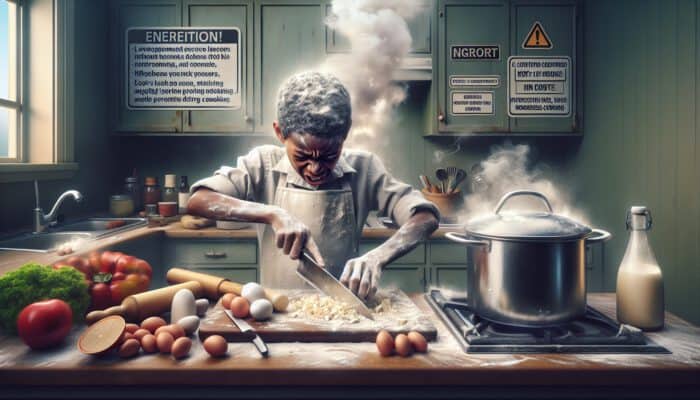
For those starting their culinary journey, it is vital to steer clear of kitchen disasters in order to cultivate successful cooking habits. Many new cooks fail to adhere to essential kitchen safety protocols, which often leads to frequent errors that can be easily avoided. These mistakes may arise from insufficient understanding of recipes, miscalculating cooking durations, or improperly preparing ingredients. Recognising and understanding these common pitfalls is a significant step for beginners. By addressing and correcting these errors, novice cooks can create safer cooking environments and improve their culinary skills. For instance, neglecting to wash hands prior to handling food can lead to contamination and expose individuals to serious health risks. By establishing a strong foundation of kitchen hygiene, beginners can prevent accidents and grow in confidence during meal preparation, ultimately empowering them to cook with greater assurance.
Another prevalent mistake is the disregard for the practice of mise en place, a French term meaning ‘everything in its place'. This vital technique involves preparing and organising all required ingredients before cooking begins. By implementing this practice, cooks can significantly reduce the chaotic rush that often leads to disasters, such as burning food or overcooking dishes due to distractions. When novices learn to identify and amend these everyday mistakes, they create a more enjoyable and efficient cooking experience. Understanding the potential obstacles enables beginner cooks to navigate their kitchen journey with greater ease, ultimately leading to more successful and satisfying meals.
What Kitchen Tools Might Present Challenges for Beginners?
New cooks can unwittingly face difficulties with commonplace kitchen tools if they lack the necessary knowledge or technique. For example, using a dull knife complicates cutting tasks and increases the likelihood of accidents. Many beginners undervalue the importance of maintaining sharp, high-quality knives. A well-crafted knife not only enhances control and precision during food preparation but also ensures safety in the kitchen, making it easier to achieve the desired culinary results.
Moreover, inaccurately calibrated measuring cups and spoons can lead to recipe failures, especially in baking, where precision is paramount. Novices may also misuse appliances like blenders or food processors, resulting in spills or splatters that can create a messy cooking environment. By identifying these potential challenges, newcomers can adopt safer and more effective practices. It is critical for novice cooks to familiarise themselves with the functions and proper usage of each tool. By doing this, they can avoid mishaps and boost their confidence in their culinary abilities, leading to a more successful and enjoyable cooking experience.
What Preventive Measures Can Beginners Implement from the Start?
Adopting preventive measures significantly diminishes cooking errors right from the outset. New cooks should embrace straightforward techniques designed to bolster their kitchen confidence. For example, consistently reading the entire recipe before starting is a basic yet essential practice. This habit facilitates a comprehensive understanding of the steps involved and highlights any tricky elements that may require special attention or additional preparation.
Another effective strategy is to establish a dedicated cooking space that is organised and free from distractions. Keeping essential utensils and ingredients conveniently within reach streamlines the cooking process and allows for a more fluid workflow. Beginners should also consider creating a checklist of tasks or ingredients to ensure nothing is overlooked. This proactive approach significantly reduces the likelihood of mistakes, while fostering a sense of order and efficiency in the kitchen. Over time, these preventive habits contribute to improved practices and a more enjoyable cooking experience, ultimately enhancing overall culinary skills.
How Can Beginners Learn from Cooking Mistakes to Enhance Their Skills?

Kitchen mistakes can provide invaluable opportunities for learning and growth for novice cooks. By analysing past errors, beginners can pinpoint what went wrong and develop strategies to rectify those missteps in the future. For instance, if a dish turns out excessively salty, this realisation may encourage one to reconsider measuring techniques or recognise the importance of tasting food throughout the cooking process to achieve balance.
Moreover, learning from previous experiences cultivates resilience and personal growth. When beginners view mistakes as opportunities for improvement rather than setbacks, they enhance both their competence and enjoyment in the kitchen. Maintaining a cooking journal can be particularly beneficial; it allows novice cooks to document their successes and failures, leading to a deeper understanding and refinement of their techniques. Over time, this reflective practice transforms novices into confident cooks, who are ready to tackle any culinary challenge that comes their way.
How Does Effective Preparation Influence Successful Cooking?
Meal Planning Strategies to Alleviate Cooking Stress
Effective meal planning forms a fundamental cornerstone for successful cooking, particularly for beginners. When novice cooks allocate time to organise ingredients and outline steps in advance, they significantly mitigate chaos in the kitchen. This thoughtful preparation alleviates stress and empowers beginners to approach tasks with clarity and confidence. By planning meals, novice cooks can allocate adequate time to each component without the pressure of last-minute decisions, resulting in a more enjoyable cooking experience.
Additionally, incorporating a structured meal plan aids in managing time effectively. For instance, dedicating one day each week to meal preparation can streamline the cooking process throughout the week ahead. This foresight allows for better grocery shopping and helps eliminate the frustration of forgetting essential ingredients. Ultimately, proper preparation lays the groundwork for a more relaxed cooking experience, contributing to improved culinary outcomes and greater satisfaction in the kitchen.
What Are Effective Organisational Tips for Successful Meal Preparation?

Optimising your cooking process can significantly reduce the risk of errors. Here are essential tips to enhance your kitchen preparation:
- Gather all necessary ingredients and utensils prior to starting.
- Label containers for easier identification and access.
- Maintain a clean workspace to minimise distractions.
- Prepare ingredients in advance, such as chopping vegetables or marinating proteins.
- Create a chronological list of steps to follow during cooking.
- Set timers for different cooking stages to monitor progress.
- Establish a designated area for recipe reference to minimise interruptions.
These organisational strategies assist beginners in remaining calm and focused throughout the cooking process. By implementing these tips, novice cooks can navigate the kitchen with increased confidence, while avoiding common pitfalls, ultimately enhancing their culinary skills and overall experience.
Why Is Accurate Measurement of Ingredients Essential for Successful Cooking?
Precision in measuring ingredients is vital for achieving successful culinary results, particularly in baking, where specific ratios dictate outcomes. Beginners must grasp the significance of proper measuring techniques, as even minor deviations can lead to disastrous results, such as dense cakes or unbalanced flavours that compromise a dish's integrity.
Investing in a high-quality set of measuring cups, spoons, and a kitchen scale can dramatically improve accuracy in the kitchen. Additionally, understanding the difference between measuring dry versus liquid ingredients ensures consistency. For example, a cup of flour can weigh differently depending on whether it is packed or scooped into the measuring cup. By prioritising accuracy, new cooks can build confidence in their results, leading to a more enjoyable and satisfying cooking experience.
How Can Beginners Effectively Organise Their Cooking Space?
A well-organised cooking space is crucial for minimising distractions and ensuring safety in the kitchen. Beginners should invest time in arranging their workspace, keeping essential tools and ingredients easily accessible. This organisation not only enhances efficiency but also allows novice cooks to concentrate on their tasks without the stress of searching for misplaced items.
Creating a tidy environment significantly reduces the likelihood of accidents. For instance, a clutter-free countertop allows for easier movement around sharp objects or hot surfaces. Implementing straightforward storage solutions, such as drawer dividers or shelf organisers, can further streamline the cooking process. By establishing an orderly kitchen, beginners can approach meal preparation with a clear mind, fostering a more confident and enjoyable cooking experience that encourages culinary creativity.
How Important Is It to Thoroughly Read Recipes Before Cooking?
The significance of reading recipes thoroughly before cooking cannot be overstated. This essential practice prevents errors and ensures a smoother cooking experience. By taking the time to comprehend all instructions, new cooks can anticipate potential challenges and sufficiently prepare for each step, leading to more successful outcomes.
Moreover, reading recipes in advance allows beginners to identify specific equipment or ingredients required, enabling them to make necessary adjustments beforehand. For example, discovering that a recipe requires marinating a protein overnight can save time and lead to better flavour results. This proactive approach helps novice cooks feel more in control, ultimately fostering greater confidence and success in the kitchen.
Expert Advice on Avoiding Kitchen Disasters as a New Cook
What Common Challenges Do Novice Cooks Encounter in the Kitchen?
Beginners frequently confront a variety of challenges that can lead to kitchen disasters. Common issues include misreading recipes, overcooking or undercooking food, and feeling overwhelmed by complex techniques. Addressing these challenges requires practical strategies that empower novices to navigate their cooking journey more effectively and confidently.
For instance, new cooks should focus on mastering a few foundational techniques, such as sautéing and boiling, before progressing to more intricate dishes. This gradual approach allows them to build confidence and control over their cooking. Additionally, seeking beginner-friendly recipes can simplify the learning process further. By recognising these typical challenges and implementing actionable steps to overcome them, novices can significantly reduce the likelihood of kitchen disasters while enhancing their culinary skills and enjoyment.
How Can Beginners Develop Skills through Consistent Practice Sessions?
Developing cooking skills is a journey that necessitates patience and perseverance. Beginners should concentrate on gradual improvement through consistent practice sessions, which are essential for building muscle memory and increasing confidence in the kitchen. By dedicating time to practice specific techniques, such as chopping or sautéing, novices can enhance their control and reduce the risk of accidents.
Participating in cooking classes or following online tutorials can also aid in skill development. These resources typically provide step-by-step guidance, allowing beginners to replicate techniques at their own pace. Over time, as novices gain experience and familiarity with various methods, they will encounter fewer mishaps, leading to a more enjoyable and fulfilling cooking experience. The key is consistent practice, which ultimately transforms initial uncertainties into newfound culinary abilities.
How Can Techniques Be Adapted for Various Cooking Methods?
Flexibility in cooking techniques is vital for beginners to effectively navigate potential pitfalls. As novice cooks experiment with different methods, such as grilling, baking, or steaming, adapting their approach becomes crucial. For example, a technique that works well for one cooking style may not be suitable for another, necessitating an understanding of the nuances involved.
One common adjustment involves modifying cooking times or temperatures based on the method utilised. For instance, when transitioning a recipe from baking to grilling, beginners must consider how the grill's direct heat affects cooking durations. Additionally, grasping the principles behind each cooking technique enables novices to make informed decisions regarding ingredient alterations, seasoning modifications, and timing adjustments. By developing this adaptability, new cooks will feel more empowered in their culinary pursuits, resulting in fewer disasters and greater enjoyment in the kitchen.
What Are the Advantages of Practising Safe Cooking Procedures?
How to Enhance Safety with Basic Kitchen Hygiene Practices
Practising fundamental kitchen hygiene is crucial for preventing contamination and ensuring food safety. For beginners, understanding the significance of cleanliness cannot be overstated. Simple actions, such as washing hands before handling food, can substantially reduce the risk of foodborne illnesses, protecting everyone involved.
Moreover, maintaining a clean workspace, sanitising utensils, and properly storing ingredients are vital practices that contribute to a healthy cooking environment. New cooks should also be vigilant about cross-contamination, ensuring that raw meats remain separate from other food items. By prioritising hygiene, novice cooks can foster a safer kitchen atmosphere, enhancing their cooking experience and mitigating health risks.
Why Is Temperature Control Critical in Cooking?
Temperature control is a fundamental aspect of cooking that greatly affects the quality of dishes. For beginners, understanding how to monitor and regulate heat is vital for avoiding issues such as burns, undercooked proteins, or spoiled food. Properly managing cooking temperatures ensures that food is cooked evenly and safely, which enhances both flavour and texture.
For instance, using a food thermometer helps beginners ensure that meats reach appropriate internal temperatures, significantly reducing the risk of foodborne illnesses. Furthermore, new cooks should learn to recognise visual and tactile cues indicating when a dish is done, such as colour changes or texture alterations. By focusing on temperature control, novice cooks can dramatically improve their culinary outcomes and boost their confidence in the kitchen.
How Can Effective Time Management Enhance Cooking Efficiency?
Time management is an essential skill for beginners aiming to streamline their cooking processes. By learning to schedule tasks effectively, novice cooks can minimise errors and enjoy a more relaxed cooking experience. Establishing a clear timeline for meal preparation allows beginners to allocate sufficient time for each step, thereby reducing the likelihood of rushing and making mistakes.
For example, new cooks should consider preparing ingredients in advance, such as chopping vegetables or marinating proteins, to save time during the cooking process. Setting timers for various tasks also helps to track progress and avoid overcooking. By prioritising time management, beginners can enhance their efficiency in the kitchen, leading to improved results and a more enjoyable cooking experience.
Research-Backed Benefits of Preventing Kitchen Disasters as a New Cook
What Evidence-Based Safety Practices Should Be Adopted?
Implementing evidence-based safety measures in the kitchen is vital for reducing accidents and creating a secure cooking environment. Research indicates that practices such as proper knife handling, maintaining clean surfaces, and using appropriate cooking equipment significantly reduce the risk of injury.
For beginners, grasping these protocols and incorporating them into daily cooking routines empowers them to navigate the kitchen with confidence. For example, using cut-resistant gloves while chopping can greatly mitigate the risk of cuts. Additionally, adhering to equipment safety guidelines fosters a safer environment for novices as they learn. By focusing on these evidence-based practices, new cooks can cultivate a safer kitchen space, ultimately enhancing their overall cooking experience.
What Long-Term Benefits Arise from Mastering Culinary Basics?
Mastering the foundational skills of cooking offers significant long-term advantages for beginners. When novices invest time in learning the essentials, they build a solid foundation that leads to improved confidence and competence in the kitchen. This foundational knowledge reduces risks associated with cooking, such as burns or foodborne illnesses, while enhancing overall enjoyment.
Furthermore, as beginners become more proficient, they are likely to develop a deeper appreciation for culinary arts, leading to a greater willingness to experiment with new recipes and techniques. Over time, the skills acquired through mastering the essentials translate into long-term success and satisfaction in the kitchen. By recognising the importance of these foundational elements, new cooks can ensure their culinary journey is both rewarding and safe.
How Can Established Habits Be Incorporated into Daily Routines?
Establishing proven habits in the kitchen is crucial for beginners looking to build resilience against common cooking challenges. By integrating evidence-based strategies into daily routines, novices can enhance their culinary competence and confidence. For instance, developing a consistent cleaning routine after cooking promotes hygiene and instils a sense of order and discipline.
Additionally, beginners should focus on creating a habit of meal planning, which has been shown to reduce stress and improve their overall cooking experience. By prioritising these proven habits, new cooks can navigate challenges more effectively and cultivate a lasting passion for cooking. Over time, these practices will support their growth and development in the culinary world, leading to greater satisfaction and success.
How to Manage Emergencies Effectively in the Kitchen?
What Immediate Actions Should Be Taken During Overheating Incidents?
In cases of overheating, acting promptly is essential. Beginners must be prepared to respond quickly when they notice food burning or smoke rising. The first step is to turn off the heat source to prevent further escalation, followed by a careful assessment of the situation.
If flames appear, having a strategy in place is crucial. Removing any flammable items nearby and using appropriate cooling techniques, such as placing a damp cloth over a pot, can help manage the situation effectively. Beginners should always prioritise safety by keeping a fire extinguisher easily accessible and knowing how to use it properly. By understanding how to handle overheating incidents, novice cooks can maintain control during unexpected events, ensuring a safer cooking environment.
What Essential Emergency Tools Should Be Available and How Are They Utilised?
Being prepared for emergencies in the kitchen entails having the right tools readily available. Here are some essential items every beginner should consider:
- Fire extinguisher: To quickly and effectively tackle small kitchen fires.
- First aid kit: For promptly treating minor injuries, such as cuts or burns.
- Pot lid: To smother flames in grease fires and prevent their spread.
- Heat-resistant gloves: For safely handling hot pots and pans.
- Kitchen towel: For swiftly wiping up spills or safely handling hot surfaces.
- Fire blanket: An effective tool for extinguishing flames on clothing or small fires.
- Emergency contact numbers: Easily accessible for rapid response if necessary.
Having these emergency tools readily available can significantly mitigate risks in the kitchen, enabling novices to manage potential crises more effectively and safely.
Why Is It Important to Conduct Evacuation Drills at Home?
Practising evacuation drills at home is essential for ensuring safety during emergencies. In the kitchen, where cooking-related accidents can occur, knowing how to respond quickly and effectively can make a substantial difference. Regularly rehearsing evacuation procedures builds familiarity and confidence, reducing panic during real-life emergencies.
By identifying escape routes and conducting practice drills, families can ensure that everyone knows the appropriate actions to take in the event of a fire or other crisis. This preparedness fosters a sense of security and responsibility among household members. Ultimately, practising evacuation drills helps create a safer kitchen environment, allowing novice cooks to focus on their culinary pursuits without undue concern about potential emergencies.
How to Extinguish Kitchen Fires Safely?
Understanding how to extinguish kitchen fires safely is a vital skill for beginners. The first step is identifying the type of fire—grease fires, for example, require specific methods for safe handling. Never use water on grease fires, as this can exacerbate the flames. Instead, the correct method is to smother the fire by covering it with a pot lid or using a fire extinguisher rated for grease fires.
Additionally, knowing when to call emergency services is crucial. If a fire becomes uncontrollable, evacuating the area and contacting professionals is the safest course of action. By mastering fire suppression techniques tailored to kitchen environments, novice cooks can effectively respond to emergencies, minimising damage and ensuring everyone's safety.
What First Aid Actions Are Necessary for Common Kitchen Injuries?
Injuries in the kitchen, such as burns, cuts, and slips, are prevalent, particularly among beginners. Understanding immediate first aid can significantly reduce the severity of these incidents. For burns, cooling the affected area under running water for at least 20 minutes is essential. This practice alleviates pain and helps prevent further injury.
For cuts, applying pressure to the wound with a clean cloth can help stop bleeding. If the cut is deep or bleeding heavily, seeking professional help is crucial. For slips, maintaining a clean and dry kitchen floor can prevent accidents in the first place. By equipping themselves with first-aid knowledge, novice cooks can handle injuries promptly and safely, fostering a safer kitchen environment as they learn and grow in their culinary journey.
Essential Cooking Tools Every Beginner Should Have
How to Choose Reliable Tools for Basic Cooking Tasks?
Selecting the right tools for fundamental tasks is crucial for efficient cooking, particularly for beginners. Investing in reliable, high-quality kitchen equipment simplifies the cooking process and reduces the risk of complications. For instance, a good chef's knife is indispensable for various cutting tasks, enabling precision and control that enhances safety.
Additionally, beginners should consider acquiring versatile tools, such as mixing bowls, measuring cups, and cutting boards, which are critical for numerous recipes. A sturdy nonstick frying pan is another valuable item for novice cooks, as it facilitates cooking and cleaning while alleviating stress during meal preparation. By selecting dependable items, new cooks can enjoy the culinary experience and focus on developing their skills without added pressure.
What Role Do Multipurpose Kitchen Gadgets Play in Enhancing Safety?
Multipurpose gadgets significantly improve kitchen safety. By consolidating multiple functions into one device, these tools reduce clutter and complexity, making it easier for beginners to manage their cooking tasks. For example, a food processor can slice, chop, and mix, minimising the need for multiple utensils that could lead to accidents.
Moreover, using gadgets designed with safety features, such as locked lids or automatic shut-offs, can further prevent mishaps. These devices not only streamline the cooking process but also foster confidence among novice cooks. By incorporating multipurpose gadgets into their routines, beginners can enhance both safety and efficiency, leading to a more enjoyable cooking experience that encourages creativity in the kitchen.
How Can Beginners Maintain Their Cooking Tools to Extend Lifespan?
Proper maintenance of kitchen tools is crucial for ensuring their longevity and consistent performance. Beginners should establish a routine for cleaning, sharpening, and storing their equipment to prevent malfunctions. Regularly washing knives and utensils after use and drying them thoroughly can help prevent rust and damage that may impair performance.
Investing time in sharpening knives improves their effectiveness, promoting safer cutting techniques. Storing items in designated spaces, such as drawer dividers or knife magnets, can prevent accidents caused by clutter. By keeping tools in good condition, beginners can concentrate on their culinary pursuits without the added stress of malfunctioning equipment that could hinder their progress.
Building Culinary Confidence
What Steps Should Beginners Follow to Start with Simple Recipes?
Beginning with simple recipes is an excellent strategy for novice cooks to gradually build their skills and confidence in the kitchen. Starting with uncomplicated dishes allows beginners to familiarise themselves with fundamental cooking techniques without feeling overwhelmed by complex tasks. Simple recipes, such as scrambled eggs or pasta, provide opportunities to practice essential skills like chopping, boiling, and sautéing.
These easy dishes also minimise the chances of errors, which can be discouraging for new cooks. As beginners master these basic recipes, they can progressively challenge themselves with more intricate dishes, leading to a steady increase in culinary competence. This gradual approach cultivates a positive cooking experience, enabling novices to enjoy the process as they develop their skills and gain confidence in their culinary abilities.
How Does Repetition Support Skill Development in Cooking?
Repetition is a crucial element of skill development in cooking, particularly for beginners. Engaging in regular practice helps new cooks strengthen their abilities and build familiarity with various techniques. As novices repeat tasks such as chopping vegetables or sautéing ingredients, they develop muscle memory, which leads to greater efficiency and control in the kitchen.
Moreover, consistent practice allows beginners to refine their techniques and identify areas for improvement. For instance, as they become more comfortable with basic knife skills, they can explore more advanced cutting methods. Over time, this continuous engagement builds confidence and competence, ultimately minimising the likelihood of disasters. By embracing repetition, novice cooks can transform their initial uncertainties into valuable culinary skills that will serve them throughout their cooking journey.
How Can Tracking Progress Help Beginners Stay Motivated?
Monitoring cooking progress can be a powerful motivator for beginners. By keeping a record of their successes and challenges, novice cooks can gain insights into their development over time. This tracking can manifest in various forms, such as maintaining a cooking journal or capturing photos of completed dishes.
Celebrating small achievements, like mastering a new technique or successfully preparing a challenging recipe, reinforces positive behaviour and encourages ongoing growth. Tracking progress not only helps beginners remain motivated but also instils a sense of accomplishment in their culinary journey. By recognising their improvements, novice cooks can overcome initial fears and cultivate a positive routine in the kitchen that fosters long-term success.
FAQs
What Common Kitchen Mistakes Do Beginners Make?
New cooks often overlook essential safety measures, misinterpret recipes, or fail to prepare ingredients in advance. Acknowledging these errors can help prevent mishaps and foster better cooking habits, ultimately leading to enhanced culinary skills.
How Can I Enhance My Cooking Skills as a Beginner?
Start with simple recipes, focus on mastering basic techniques, and practice regularly. Gradually incorporating more complex dishes will help build confidence and competence in the kitchen, enhancing your overall culinary experience.
Why Is Meal Planning Crucial for New Cooks?
Meal planning reduces stress and aids beginners in organising ingredients and steps in advance, resulting in a smoother cooking experience and fewer errors. This proactive approach fosters greater confidence in the kitchen.
What Tools Are Essential for Novice Cooks?
Beginners should invest in a good chef's knife, measuring cups, mixing bowls, a cutting board, and a nonstick frying pan to facilitate basic cooking tasks.
How Can I Ensure Food Safety in My Kitchen?
Practising basic hygiene rules, such as washing hands before handling food and maintaining clean surfaces, is crucial for preventing foodborne illnesses and ensuring a safe cooking environment.
What Should I Do If I Encounter a Kitchen Fire?
If a fire occurs, turn off the heat source and use a pot lid to smother flames. If the fire becomes uncontrollable, evacuate the area and call emergency services immediately to ensure safety.
How Can I Build Confidence in Cooking?
Begin with simple recipes, track your progress, and practice regularly to develop your skills gradually. Celebrate successes to foster a positive cooking experience and build confidence in your culinary abilities.
What Is Mise en Place and Why Is It Important?
Mise en place involves preparing and organising all ingredients before cooking. This practice streamlines the cooking process and prevents last-minute chaos, enhancing the overall cooking experience for beginners.
What Are Some Effective Time Management Strategies for Cooking?
Creating a meal-preparation timeline, preparing ingredients in advance, and setting timers can help beginners manage their time effectively and minimise errors, leading to a more organised cooking experience.
How Do I Handle Kitchen Injuries?
For burns, cool the affected area with running water. For cuts, apply pressure to stop bleeding. Make sure to seek professional help for serious injuries to ensure kitchen safety.
Connect with us on Facebook today!
The post How to Avoid Kitchen Disasters as a Newbie: Essential Tips appeared first on https://cookinggods.com
The Article Avoid Kitchen Disasters: Essential Tips for Newbies Was Found On https://limitsofstrategy.com