How to Access Coeliac Testing Services in Darlington
Finding NHS Clinics in Your Local Area
Private Coeliac Test In Darlington: To initiate your journey towards coeliac testing services provided by the NHS in Darlington, begin with a consultation with your general practitioner (GP). During this initial appointment, the GP will evaluate your symptoms and examine your medical history to determine if further investigation is warranted. If necessary, they will refer you for blood tests, which are processed at nearby laboratories. These facilities are committed to delivering precise results within standard timelines, typically ranging from a few days to a week, depending on the specific tests performed.

Once your blood test results are available, your GP will discuss the findings with you. If these results suggest a possibility of coeliac disease, your GP may recommend further testing, such as a biopsy. This approach ensures that residents of Darlington can access dependable and efficient coeliac testing through established NHS channels, fostering early diagnosis and management of the condition.
Investigating Private Testing Facilities
For those seeking a quicker confirmation of gluten intolerance, private testing centres in Darlington present a practical alternative. These facilities frequently offer expedited appointments for coeliac screening, allowing patients to bypass certain waiting times commonly associated with NHS services. The tests conducted at these centres employ advanced diagnostic techniques that guarantee both accuracy and efficiency.
Patients choosing private testing can expect a streamlined experience, often featuring online booking systems and rapid results. This can be particularly beneficial for individuals experiencing severe symptoms who require immediate insights into their health. Many private centres provide comprehensive consultations with specialists who can offer tailored advice based on individual circumstances.
Home Testing Kits for Coeliac Screening: An Option for Residents
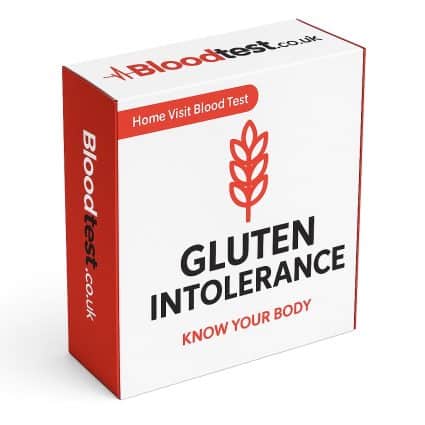
Residents of Darlington also have the option to order approved home test kits for preliminary coeliac screenings. These kits, available from various suppliers across the UK, allow individuals to carry out initial tests in the comfort of their own homes. Typically, these tests require a small blood sample, which is subsequently sent to a laboratory for analysis.
While home testing kits can yield valuable insights, it is crucial to recognise that they should not replace professional medical advice. If a home test yields a positive result, it is imperative to consult a healthcare professional in Darlington for further validation and to discuss the subsequent steps necessary for diagnosis and management.
The Role of Community Health Centres in Coeliac Testing
In Darlington, community health centres play a vital role in facilitating coeliac testing. These centres often provide blood sample collection services, ensuring convenience for residents who need access to essential tests without the need for long-distance travel. Once samples are collected, they are sent to accredited laboratories for analysis, guaranteeing accurate results.
The existence of community health centres promotes early diagnosis of coeliac disease among residents. By offering accessible testing options, these centres help to raise awareness about gluten intolerance and the importance of medical consultations concerning related symptoms. This proactive approach is critical for enhancing health outcomes within the community.
Awareness Initiatives for Coeliac Disease
Darlington hosts numerous awareness initiatives aimed at educating residents about available coeliac testing options. These programmes often feature discussions on the symptoms of coeliac disease, the implications of gluten intolerance, and the significance of seeking professional medical consultations. By increasing awareness, these initiatives empower individuals to pursue testing and diagnosis.
Such programmes may also provide resources concerning dietary management and lifestyle adjustments essential for those diagnosed with coeliac disease. By concentrating on education and support, these initiatives cultivate a community atmosphere where individuals feel comfortable discussing their health concerns and seeking appropriate care.
Comprehending the Coeliac Testing Process
Initial Consultation Steps You Should Expect
The coeliac testing process in Darlington begins with an initial consultation with your GP. During this appointment, you will discuss your symptoms, medical history, and any relevant family history of coeliac disease. Based on this information, your GP will assess whether blood tests are suitable for detecting specific markers associated with coeliac disease.
If your GP recommends testing, they will provide you with a blood test request form detailing the specific tests required, typically including checks for antibodies such as tissue transglutaminase (tTG) and endomysial antibodies (EMA). Familiarising yourself with these steps can help alleviate any anxiety about the testing process, ensuring you feel prepared for what is to come.
Blood Test Procedures: What You Need to Know
Blood samples for coeliac testing are collected at local surgeries or hospitals in Darlington. The procedure is straightforward and usually involves a healthcare professional drawing blood from a vein in your arm. The collected samples are then dispatched to laboratories that comply with UK health guidelines for analysis, ensuring accurate and reliable results.
Once at the laboratory, the samples undergo a series of tests designed to detect specific antibodies linked to gluten sensitivity. Results are typically available within one week, and your GP will follow up to discuss the findings with you. Understanding the blood test procedures can help patients feel more informed and at ease during this crucial stage of diagnosis.
Understanding the Necessity of Biopsy Requirements
If blood tests indicate the presence of coeliac disease markers, a biopsy may be scheduled at one of Darlington’s specialised units. This procedure is essential for confirming the diagnosis of coeliac disease, as it involves taking a small tissue sample from the small intestine for further examination. The biopsy is performed under controlled medical conditions, typically using an endoscope.
During the biopsy, the doctor evaluates the tissue sample for damage to the villi, which are tiny hair-like structures in the intestine. This damage is characteristic of coeliac disease. Following the biopsy, results are generally available within a week, facilitating timely diagnosis and the development of an appropriate management plan.
What Is the Process of Coeliac Testing in Darlington?
Navigating Referral Pathways for Coeliac Testing
Obtaining a referral for coeliac testing within Darlington’s healthcare system typically involves several key steps:
- Consult your GP to discuss your symptoms and medical history.
- Your GP assesses the need for blood tests and issues a referral.
- Blood samples are collected at a local surgery or hospital.
- Results are returned to your GP for interpretation and further action.
- If needed, a biopsy is arranged for confirmation.
These steps ensure that patients receive a structured pathway to diagnosis, facilitating timely intervention and management of coeliac disease. Understanding these referral pathways can empower patients to navigate the healthcare system more effectively.
Thorough Analysis of Blood Samples
Samples from patients in Darlington undergo rigorous analysis at certified UK laboratories to ensure precise identification of coeliac indicators. The examination focuses on detecting specific antibodies associated with gluten sensitivity, providing critical information for diagnosing the condition. Laboratories adhere to strict protocols and quality control measures to maintain accuracy in their results.
Upon completion of the analysis, the laboratory reports the findings back to the referring GP. This process is vital as it enables a clear understanding of whether coeliac disease is present and what steps should be taken next. The commitment to high-quality sample analysis forms the foundation of effective healthcare in Darlington, ensuring reliable diagnoses for patients.
Interpreting Test Results and Their Implications
Once the analysis is complete, your GP will provide a clear explanation of the results, helping you to understand the implications for your dietary and health management. If the results indicate coeliac disease, your doctor will outline the necessary lifestyle adjustments, including adherence to a strict gluten-free diet. This conversation is crucial to ensure that patients feel supported and informed regarding their health.
In cases where results are inconclusive, further testing or monitoring may be recommended. Understanding the results and their implications is essential for patients, as it empowers them to take control of their health and make informed decisions regarding their dietary choices and overall wellbeing.
Expert Insights on Coeliac Testing in Darlington
Knowledge from Healthcare Specialists
Real-life accounts from Darlington patients underscore the importance of adhering to expert recommendations for accurate diagnosis. Many individuals have found that working closely with specialists greatly enhances their understanding of coeliac disease and the testing process. These specialists frequently offer tailored recommendations based on individual symptoms and medical histories.
Patients who engage with healthcare providers throughout their testing journey typically navigate the process more smoothly. They are better equipped to manage their health and make informed dietary decisions, resulting in an improved quality of life. Sharing these experiences can motivate others in Darlington to seek the necessary testing and support.
Effectively Using Advanced Testing Techniques
Preparing for advanced testing methods offered by healthcare providers in Darlington involves several actionable steps. Patients should maintain a gluten-containing diet prior to testing, as this is crucial for obtaining accurate results. Keeping a detailed record of symptoms and dietary habits can provide valuable insights for healthcare professionals.
It is advisable to communicate openly with your GP about any concerns or questions regarding the testing process. This proactive approach ensures that patients are well-prepared and informed, making the experience less daunting. Engaging in open dialogue with healthcare providers fosters a supportive environment, encouraging individuals to pursue necessary testing.
Addressing Common Challenges in Coeliac Testing
Patients in Darlington may encounter common challenges during coeliac testing, such as delays in obtaining referrals or test results. Some individuals might also experience anxiety related to the testing process. Understanding these challenges is vital for both patients and healthcare providers, as it enables the development of strategies to alleviate them.
Healthcare professionals in Darlington are committed to addressing these challenges by streamlining processes and ensuring clear communication. By sharing insights from case evaluations, patients can gain a better understanding of what to expect during their testing journey, ultimately leading to a more positive experience.
What Are the Benefits of Early Diagnosis of Coeliac Disease?
Health Improvements Following Early Diagnosis
Prompt identification of coeliac disease allows residents of Darlington to swiftly adopt gluten-free diets, minimising the risks associated with undiagnosed conditions. Individuals who receive timely diagnoses frequently observe significant improvements in their overall health, including reduced gastrointestinal symptoms and enhanced nutrient absorption.
Early diagnosis can prevent long-term complications such as osteoporosis, infertility, and other autoimmune disorders. By recognising the importance of early testing and diagnosis, residents can take proactive measures to safeguard their health and wellbeing, ultimately leading to a better quality of life.
Necessary Dietary Adjustments After Diagnosis
Patients diagnosed with coeliac disease benefit from tailored nutritional guidance available locally, which supports improved long-term outcomes following positive test results. Dieticians in Darlington can provide personalised meal plans and advice on navigating gluten-free options, ensuring individuals maintain a balanced diet without compromising their health.
This dietary support is essential for helping patients understand which foods to avoid and how to incorporate safe alternatives into their meals. By receiving expert guidance, individuals can make informed choices that promote their health and wellbeing, ultimately enhancing their quality of life.
The Significance of Support Groups
Local support groups in Darlington offer invaluable resources and community support for effectively managing coeliac disease after diagnosis. These groups establish a platform for individuals to share experiences, exchange tips on gluten-free living, and access information about local resources and services.
Being part of a supportive community significantly enhances the experience of living with coeliac disease. Members often find comfort in knowing they are not alone in their journey, which can alleviate feelings of isolation and stress. Engaging with support groups fosters a sense of belonging and encourages individuals to seek the resources they need to manage their condition.
Psychological Benefits of Early Diagnosis
Receiving an early diagnosis of coeliac disease allows residents of Darlington to experience notable psychological benefits by alleviating the uncertainty and frustration caused by ongoing symptoms. A definitive diagnosis can reduce anxiety and stress, leading to improved mental wellbeing and quality of life.
Timely interventions and local resources empower individuals to take control of their health, fostering a sense of agency and confidence in managing their condition. By addressing both the physical and psychological aspects of coeliac disease, residents can achieve a more balanced and fulfilling life.
Research-Backed Advantages of Coeliac Testing in Darlington
Findings from Recent Studies
Research conducted in the UK has demonstrated improved health outcomes following coeliac testing in areas such as Darlington. For example, studies indicate that individuals receiving early diagnoses and interventions experience fewer complications and better overall health. This evidence emphasises the necessity of timely testing and appropriate management of the condition.
Findings show that patients who actively engage with healthcare providers and adhere to recommended dietary guidelines report higher satisfaction with their health and wellbeing. This data supports the need for accessible testing options and highlights the role of healthcare professionals in guiding patients through their journey.
Long-Term Outcomes Post-Early Testing
Long-term outcomes for those tested early through Darlington medical services reveal a significant reduction in hospital visits related to complications from untreated coeliac disease. Patients who receive timely diagnoses often encounter fewer health issues, resulting in an enhanced quality of life and decreased healthcare costs over time.
Early intervention can prevent the development of additional health complications, such as autoimmune disorders and nutritional deficiencies. Recognising these long-term benefits reinforces the importance of regular testing and monitoring for individuals at risk of coeliac disease.
Effective Strategies for Ongoing Prevention
Based on research, actionable steps for continuous management after testing include adhering to a stringent gluten-free diet, scheduling regular check-ups with healthcare providers, and participating in local support groups. These strategies are vital for ensuring that individuals remain healthy and well-informed about their condition.
Continuous education regarding gluten-free products and dietary choices can empower individuals to make informed decisions that enhance their wellbeing. By implementing these prevention strategies, residents of Darlington can effectively manage their coeliac disease and minimise the risk of complications.
Are There Risks Associated with Coeliac Testing?
Safety of Testing Procedures
Coeliac testing in Darlington is generally considered safe, with minimal discomfort reported during blood draws or biopsies conducted at accredited facilities. Healthcare professionals are trained to perform procedures efficiently and with the utmost care, prioritising patient comfort throughout the process.
While some individuals may experience mild bruising or soreness at the injection site, these side effects are typically temporary and resolve quickly. Understanding the safety of testing procedures can help alleviate patients’ concerns, encouraging them to pursue necessary evaluations without hesitation.
Minimising Discomfort During Testing
Patients are given preparation techniques to ensure a smooth experience at local centres. For example, staying hydrated prior to a blood draw can facilitate the process, along with wearing loose-fitting clothing that allows easy access to the arm.
Discussing any concerns with healthcare professionals can help address specific anxieties. By taking these proactive measures, patients can minimise discomfort and enhance their overall experience during testing.
Awareness of Potential for False Results
While rare, false results can occur during coeliac testing. Factors such as dietary habits prior to testing or laboratory errors may contribute to inaccuracies. Follow-up tests in Darlington are crucial to reliably confirm initial findings, ensuring that patients receive accurate diagnoses.
If a false-positive or false-negative result is suspected, healthcare providers typically recommend further testing or monitoring. Understanding the potential for false results can help patients maintain realistic expectations and encourage open communication with their healthcare team.
Reliable Approaches for Coeliac Testing in Darlington
Effective Appointment Booking Systems
Efficient booking systems available in Darlington for timely coeliac assessments play a crucial role in ensuring patients receive prompt care. Many practices now offer online booking options, allowing individuals to schedule appointments at their convenience and reducing wait times for consultations.
Some clinics also provide reminders for upcoming appointments, helping patients stay organised and engaged in their healthcare journey. By utilising these efficient booking systems, residents can navigate the testing process more smoothly and ensure they receive timely evaluations.
Preparation Guidelines for Testing
Guidance on dietary considerations before tests is essential for ensuring the validity of results from Darlington providers. Patients are typically advised to maintain a gluten-containing diet for several weeks prior to testing, as this is critical for accurate antibody detection.
Keeping a food diary can assist in tracking symptoms and dietary intake, providing valuable insights for healthcare professionals. By adhering to these preparation guidelines, patients can optimise their testing experience and contribute to more reliable outcomes.
Post-Test Actions and Record Keeping
Maintaining detailed records after completing tests locally is an important strategy for individuals undergoing coeliac testing. Keeping track of test results, dietary changes, and symptoms can provide valuable information for both patients and healthcare providers, facilitating ongoing management of the condition.
Regularly updating these records helps ensure that patients stay informed about their health and can identify patterns or changes over time. This proactive approach fosters a sense of ownership over one’s health, empowering individuals to engage actively in their care.
Essential Follow-Up Care After Testing
Consultations with Dieticians for Tailored Dietary Guidance
After receiving confirmed diagnoses, patients in Darlington are referred to dieticians for customised gluten-free plans. These consultations are vital for assisting individuals in navigating dietary changes and maintaining a balanced, nutritious diet while avoiding gluten.
Dieticians can offer personalised advice based on individual preferences and health requirements, making the transition to a gluten-free lifestyle more manageable. This support is crucial for promoting long-term health and wellbeing among those diagnosed with coeliac disease.
The Necessity of Regular Health Monitoring
Ongoing health checks are essential for tracking improvements in those diagnosed through local testing services. Regular follow-ups with healthcare providers facilitate adjustments to dietary plans and monitor any potential complications. This proactive approach ensures that patients stay aligned with their health goals.
By remaining engaged with healthcare professionals, individuals can address any concerns or challenges they may encounter while managing their condition. Regular monitoring fosters a collaborative relationship between patients and providers, ultimately enhancing health outcomes.
Community Resources for Continued Support
Support networks in Darlington provide ongoing assistance for lifestyle adaptations following diagnosis. These resources may encompass local support groups, educational workshops, and access to information about gluten-free products, all designed to help individuals navigate their new dietary requirements.
Being part of a supportive community can significantly enhance the experience of living with coeliac disease. By engaging with local resources, individuals can share experiences, gain valuable insights, and foster a sense of belonging, ultimately improving their overall quality of life.
Frequently Asked Questions About Coeliac Testing
What does a coeliac test involve?
A coeliac test is a medical examination that detects antibodies in the blood, indicating an immune response to gluten. It aids in diagnosing coeliac disease, a serious autoimmune condition.
How can I access testing for coeliac disease in Darlington?
To access testing for coeliac disease in Darlington, visit your GP to discuss your symptoms. They will refer you for blood tests if necessary, which are processed at local laboratories.
Are home test kits reliable for screening for coeliac disease?
Home test kits can provide preliminary insights but should not serve as a substitute for professional medical advice. Positive results should always be followed up with a healthcare professional.
What can I expect during a biopsy?
During a biopsy, a small tissue sample is taken from your small intestine using an endoscope. This procedure is typically performed under sedation, and you will receive results within a week.
How long does it take to receive test results?
Blood test results are usually available within one week. Biopsy results may take slightly longer, often around one week or more, depending on the laboratory’s processes.
Can coeliac disease be effectively managed?
Yes, coeliac disease can be effectively managed through a stringent gluten-free diet. Consulting with dieticians and healthcare professionals can provide essential support in this regard.
What symptoms are associated with coeliac disease?
Common symptoms include abdominal pain, bloating, diarrhoea, fatigue, and unexplained weight loss. Symptoms can vary widely among individuals.
Are there any risks associated with coeliac testing?
Testing is generally safe, with minimal discomfort reported. Some individuals may experience anxiety about the process or worry about the potential for false results.
How can support groups be beneficial for those with coeliac disease?
Support groups offer community resources, shared experiences, and practical advice for managing coeliac disease. They provide emotional support and valuable information on gluten-free living.
What dietary changes should I implement after diagnosis?
After diagnosis, individuals must adopt a strict gluten-free diet, avoiding all sources of gluten. Consulting with a dietician can help ensure balanced nutrition while adhering to dietary restrictions.
Visit our Facebook profile today!
This Article Was First Found On https://bloodtest.co.uk
The Article Coeliac Test Options in Darlington: What You Need to Know found first on https://electroquench.com