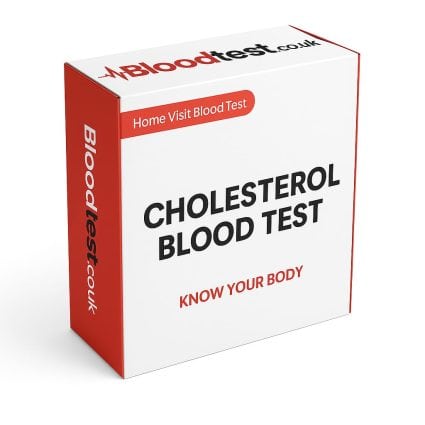
Your Ultimate Guide to Understanding Cholesterol Blood Tests
What is a Cholesterol Blood Test and Why is it Important for Your Health?
Private Cholesterol Blood Test in Yeovil: A lipid panel, also known as a lipid profile, is an essential diagnostic tool that evaluates the levels of various types of cholesterol and triglycerides circulating in your blood. This crucial test offers invaluable insights by assessing levels of high-density lipoprotein (HDL), low-density lipoprotein (LDL), and triglycerides, all of which play a significant role in your cardiovascular health.

The outcomes derived from this test are crucial for evaluating an individual’s risk for significant health concerns such as heart disease, heart attacks, and strokes, as they provide a detailed overview of your blood lipid profile at a specific time. Such evaluations can help healthcare professionals recommend tailored lifestyle changes and medication therapies that align closely with individual patient needs and circumstances.
Healthcare providers heavily rely on cholesterol test results to classify cholesterol levels as normal, borderline high, or high, informing necessary health interventions and strategies. By understanding these levels, individuals can proactively take measures to enhance their heart health, which becomes increasingly vital in light of the rising incidence of heart-related ailments across the UK.
How Should You Prepare for Your Cholesterol Blood Test?
Proper preparation for a cholesterol blood test is essential for ensuring accurate and reliable results. Healthcare professionals typically recommend that patients fast for 9-12 hours prior to the test. This fasting means abstaining from all food and drink, except for water, during this period. It is important to remain hydrated, as this can facilitate the blood draw process. Patients should also discuss any current medications with their healthcare provider, as certain medications may affect cholesterol levels and distort test outcomes.
Moreover, it is advisable to avoid strenuous exercise and alcohol consumption for at least 24 hours prior to the test. Engaging in a discussion with your healthcare provider regarding the necessary preparations can help alleviate any uncertainties and ensure that you are well-informed about the process. By adhering to these guidelines, you can enhance the accuracy of your cholesterol test results, providing a trustworthy reflection of your current health status.
- Fast for 9-12 hours before the test.
- Ensure you stay hydrated with water.
- Avoid intense exercise the day before.
- Discuss any medications with your healthcare provider.
- Limit alcohol consumption for 24 hours before the test.
How to Interpret Your Cholesterol Test Results Effectively?
Understanding your cholesterol test results is vital for managing your heart health effectively. The results are typically classified into three distinct categories: normal, borderline high, and high. A desirable total cholesterol level should be below 5.0 mmol/L. Levels falling between 5.0 and 6.4 mmol/L are classified as borderline high, while any levels exceeding 6.4 mmol/L indicate high cholesterol.
HDL cholesterol, often referred to as the “good” cholesterol, should ideally be above 1.0 mmol/L for men and 1.2 mmol/L for women, as higher HDL levels correlate with a reduced risk of heart disease. Conversely, LDL cholesterol, known as the “bad” cholesterol, should optimally remain below 3.0 mmol/L; LDL levels between 3.0 and 4.0 mmol/L are considered borderline high, while levels exceeding 4.0 mmol/L indicate high cholesterol.
Monitoring triglyceride levels is equally crucial; levels below 1.7 mmol/L are regarded as normal. If your results show elevated LDL or triglyceride levels, this may indicate the necessity for lifestyle changes or further medical assessments. Engaging in discussions with your healthcare provider regarding your results is essential for comprehending their implications on your overall health and for determining the most appropriate course of action.
Finding Reliable Cholesterol Blood Testing Services in Yeovil
Local Healthcare Facilities Offering Comprehensive Cholesterol Testing
Residents of Yeovil can conveniently access vital cholesterol testing services through local healthcare facilities, including the esteemed Yeovil District Hospital. This facility provides an extensive range of testing services, including cholesterol blood tests, and is well-equipped to address various health concerns. Patients can conveniently schedule appointments online or by phone. It is advisable to check their website for specific details regarding preparation guidelines and appointment availability.
Additionally, several other healthcare facilities in the vicinity may also offer similar testing services, making it essential for residents to explore all available options. Local hospitals typically have strong community ties, ensuring that patients receive quality care tailored to their individual health needs.
Private Clinics for Rapid Cholesterol Testing Results
For those seeking faster results, private clinics in Yeovil provide an excellent alternative to traditional hospital settings. Many of these clinics offer rapid cholesterol testing with minimal wait times, often delivering results within just a few hours. This can be particularly beneficial for individuals requiring immediate feedback on their cholesterol levels for peace of mind or to manage ongoing health conditions.
Furthermore, private clinics frequently offer a more personalised experience, including detailed analyses of results and follow-up consultations to discuss any necessary lifestyle changes or medical interventions. While costs may vary from NHS services, many clinics offer competitive pricing and flexible payment options, ensuring accessibility for a broad range of patients.
GP Surgeries Providing Essential Cholesterol Screening Services
Numerous GP surgeries in Yeovil perform routine cholesterol screenings as part of their annual health assessments. Regular health evaluations are crucial for sustaining heart health, particularly for those with risk factors such as obesity, diabetes, or a family history of heart disease. Patients are strongly encouraged to consult their GP to determine the appropriate frequency of cholesterol testing tailored to their specific health profile.
Routine screenings not only facilitate the monitoring of cholesterol levels but also serve as an educational platform for patients to gain insights into their heart health. Through these consultations, patients can learn valuable information about lifestyle modifications that positively influence their cholesterol levels, promoting a proactive approach to their overall health.
The Crucial Importance of Regular Cholesterol Testing
Why is Regular Monitoring of Cholesterol Levels Essential for Your Health?
Regular cholesterol testing is pivotal for the early detection of potential heart disease risks. High cholesterol levels often present no symptoms, leading individuals to remain unaware of their elevated risk until significant health issues arise. By committing to regular testing, individuals can identify high cholesterol levels early and implement preventive measures before serious complications like heart attacks or strokes develop.
Monitoring cholesterol levels empowers individuals to make informed decisions about their health, including necessary lifestyle modifications and adherence to prescribed medications when required. Regular testing becomes especially crucial for those with risk factors, enabling timely interventions that can substantially decrease health risks.
What is the Recommended Frequency for Cholesterol Testing?
The frequency of cholesterol testing can vary based on individual health circumstances and risk factors. Generally, adults aged 40 and above are advised to undergo testing every 4-6 years. However, individuals with specific risk factors, such as a family history of heart disease, obesity, or diabetes, may require testing more frequently, sometimes on an annual basis.
Consulting with a healthcare provider can help establish a personalised testing schedule that caters to your unique health profile. This proactive approach can lead to improved heart health management and a decreased risk of developing serious cardiovascular complications over time.
What Steps Should You Take if Your Cholesterol Levels are Elevated?
If your cholesterol levels are found to be high, it does not necessarily indicate an immediate cause for concern; however, it does warrant a conversation with a healthcare provider regarding potential next steps. Depending on the specific levels and the individual’s health profile, lifestyle modifications may be recommended, such as dietary adjustments, increased physical activity, or strategies for effective weight management.
In certain cases, medication may be required to effectively lower cholesterol levels. Common medications, such as statins, can significantly reduce LDL cholesterol levels. Your healthcare provider will develop a tailored plan that may involve ongoing monitoring, lifestyle modifications, and, if necessary, the introduction of medication to achieve target cholesterol levels.
Who Should Consider More Frequent Cholesterol Testing?
Certain individuals should contemplate more frequent cholesterol testing due to their health risks. Those with a family history of heart disease, individuals diagnosed with diabetes, and those currently managing existing cardiovascular conditions are advised to monitor their cholesterol levels closely. Additionally, individuals who have previously had elevated cholesterol readings should adhere to a more frequent testing schedule.
Maintaining vigilance over cholesterol levels can substantially improve health outcomes, enabling early intervention and, if necessary, effective management strategies. Engaging in routine check-ups and discussing personal risk factors with healthcare providers is a crucial step toward maintaining optimal heart health.
How to Understand Your Cholesterol Test Results?
A cholesterol blood test primarily measures total cholesterol, LDL, HDL, and triglycerides. Understanding these components is essential for evaluating heart health risks. Total cholesterol aggregates both LDL and HDL levels, with LDL identified as “bad” cholesterol and HDL as “good” cholesterol.
LDL cholesterol contributes to plaque accumulation in arteries, which can lead to heart disease. Conversely, HDL serves a protective role by transporting cholesterol out of the arteries and back to the liver for excretion. Triglycerides, another type of fat present in the blood, can also indicate an increased risk of heart disease when elevated.
Familiarity with these measurements enables individuals to engage in informed discussions with their healthcare providers about health management strategies, ensuring they take appropriate actions to mitigate risks associated with high cholesterol levels.
Expert Insights into Cholesterol Blood Testing Services in Yeovil
Real-Life Success Stories in Cholesterol Management from Local Residents
Local healthcare professionals in Yeovil have witnessed numerous success stories of patients effectively managing their cholesterol levels through a combination of dietary adjustments, increased physical activity, and adherence to prescribed medications. For instance, one patient in Yeovil, after being diagnosed with elevated LDL levels, adopted a Mediterranean diet rich in fruits, vegetables, whole grains, and lean proteins while significantly reducing their intake of saturated fats. Over a period of six months, this individual experienced remarkable improvements in their cholesterol levels and overall health.
Another case involved a patient who embraced a more active lifestyle by incorporating regular walking and cycling into their daily routine. With guidance from a local nutritionist, they successfully lowered their cholesterol levels and enhanced their cardiovascular health.
Key strategies employed by these patients include:
- Adopting a heart-healthy diet.
- Engaging in regular physical activity.
- Monitoring portion sizes and calorie intake.
- Adhering to prescribed medication regimens.
These narratives highlight the importance of taking proactive steps to manage cholesterol levels and serve as encouragement for others facing similar challenges.
Practical Steps for Preparing for Your Cholesterol Testing
Preparing for a cholesterol blood test can significantly influence the accuracy of the results. Following specific preparatory steps is essential to ensure a smooth and effective testing experience.
First, fasting for the recommended 9-12 hours before the test is crucial, as this provides a clear depiction of baseline cholesterol levels without interference from recent meals. During this fasting period, individuals should consume only water to stay hydrated.
Additionally, discussing any medications you are taking with your healthcare provider is important, as some may alter cholesterol levels and affect test results. Avoiding alcohol for at least 24 hours prior to the test helps achieve more accurate readings, while refraining from intense physical activity on the day before can also enhance results.
Preparation steps include:
- Fast for 9-12 hours before the test.
- Drink plenty of water to stay hydrated.
- Avoid alcohol and intense exercise for 24 hours prior.
- Consult your doctor about any medications you take.
By following these recommendations, you can enhance the reliability of your cholesterol test results, allowing for more effective health management.
Expert Recommendations for Cholesterol Testing Frequency
Experts advocate for a customised approach to cholesterol testing frequency, considering factors such as age, family health history, and pre-existing conditions. For the average adult, testing every 4-6 years is generally adequate; however, individuals with higher risk profiles may require more frequent evaluations.
For instance, adults aged 40 and above or those with risk factors such as obesity, diabetes, or a family history of heart disease should consider annual testing or more frequent follow-up assessments. This proactive strategy enables healthcare providers to closely monitor any fluctuations in cholesterol levels, facilitating timely recommendations for lifestyle modifications or medical interventions as necessary.
Customising the testing frequency to individual health needs ensures effective monitoring and management of cholesterol levels, aiding in the prevention of cardiovascular disease while promoting long-term health.
Discover the Benefits of Regular Cholesterol Testing
Early Detection of Heart Disease Risks Through Regular Testing
One of the primary advantages of regular cholesterol testing is the early identification of potential heart disease risks. Elevated cholesterol levels are often asymptomatic, making routine testing a crucial aspect of preventive healthcare. By recognising high cholesterol levels before serious health complications arise, individuals can take proactive measures to mitigate their risks through lifestyle changes or medical interventions.
Early detection enhances the ability to manage cholesterol effectively and fosters a proactive approach to heart health. This can ultimately lead to improved long-term outcomes, as timely interventions can significantly decrease the likelihood of developing severe cardiovascular conditions such as heart attacks or strokes.
How Can Cholesterol Testing Lead to Positive Lifestyle Changes?
Being aware of your cholesterol levels can serve as a powerful motivator to adopt healthier lifestyle choices. When individuals learn about their cholesterol status, particularly if results indicate elevated levels, they may be more inclined to make dietary changes, increase their physical activity, or quit smoking.
Many patients report feeling empowered to implement positive changes upon receiving their test results, as they understand the direct connection between their lifestyle habits and cholesterol levels. Regular testing can also reinforce the significance of maintaining these changes, highlighting progress over time and motivating ongoing commitment to a heart-healthy lifestyle.
What Role Does Cholesterol Testing Play in Medication Management?
Cholesterol tests are integral to medication management, especially for individuals already taking cholesterol-lowering medications. These tests enable healthcare providers to assess the effectiveness of prescribed treatments, allowing for timely adjustments to medication dosages or types when necessary.
For instance, if a patient’s LDL cholesterol levels remain high despite medication, a healthcare provider may consider modifying the prescribed medication or recommending additional lifestyle changes. Regular testing ensures that individuals receive the most effective treatment tailored to their specific needs, optimising cholesterol management and overall heart health.
How Does Regular Cholesterol Testing Impact Long-Term Health Outcomes?
Consistent cholesterol testing significantly influences long-term health outcomes. By regularly monitoring cholesterol levels, healthcare providers can track changes over time, enabling early interventions to avert heart disease. Timely identification of rising cholesterol levels can prompt necessary lifestyle adjustments or medical treatment, ultimately reducing the risk of developing chronic cardiovascular conditions.
Moreover, individuals who engage in regular testing often become better informed about their health, leading to improved adherence to medical advice and lifestyle changes. This commitment to monitoring and managing cholesterol can result in enhanced overall health, elevating quality of life and longevity.
Effective Strategies for Lowering Cholesterol Following Testing
Making Dietary Changes to Improve Cholesterol Levels
Implementing specific dietary changes stands as one of the most effective strategies for lowering cholesterol levels after testing. A heart-healthy diet rich in fruits, vegetables, whole grains, and lean proteins can greatly contribute to improving cholesterol levels. Foods such as oats, legumes, nuts, and fatty fish are recognised for their cholesterol-lowering properties and should be incorporated into daily meals.
Conversely, it is crucial to minimise the intake of saturated and trans fats, commonly found in processed foods, red meat, and full-fat dairy products, as these can elevate LDL cholesterol levels. Educating oneself on reading food labels and making conscious dietary choices empowers individuals to manage their cholesterol levels effectively. Additionally, increasing fibre intake from whole grains, fruits, and vegetables not only aids in cholesterol management but also supports overall digestive health. Emerging evidence suggests that a balanced diet can have enduring effects on cholesterol management, underscoring the necessity of sustainable dietary changes.
The Positive Influence of Exercise on Cholesterol Levels
Regular physical activity serves as a cornerstone of cholesterol management, positively influencing both HDL (good) and LDL (bad) cholesterol levels. Engaging in moderate exercise for at least 150 minutes per week can help raise HDL cholesterol while simultaneously lowering LDL cholesterol. Activities such as brisk walking, cycling, swimming, and aerobic exercises are particularly beneficial.
Incorporating strength training and flexibility exercises can also provide additional health benefits, contributing to overall cardiovascular fitness. Establishing a routine that includes a variety of activities not only helps manage cholesterol levels but also enhances overall well-being, reducing the risk of chronic diseases.
Leading an active lifestyle promotes weight management, assists in cholesterol control, and can improve energy levels and mood, reinforcing the numerous advantages of regular exercise.
When Should Medication for High Cholesterol be Considered?
In certain scenarios, lifestyle changes alone may not suffice in effectively managing high cholesterol levels, necessitating medication. If an individual’s cholesterol levels remain elevated despite adherence to a heart-healthy diet and exercise regimen, it is crucial to consult with a healthcare provider regarding the potential need for medication.
Statins are among the most commonly prescribed cholesterol-lowering medications and can effectively reduce LDL levels. Your healthcare provider will evaluate your overall health, risk factors, and cholesterol levels to determine the most suitable medication and dosage, ensuring a personalised treatment plan.
Regular cholesterol testing remains vital for monitoring the effectiveness of any prescribed medication and making necessary adjustments based on individual responses.
The Importance of Regular Cholesterol Monitoring
Routine cholesterol monitoring is crucial for managing and maintaining healthy cholesterol levels. Experts recommend testing every 4-6 years for most adults, although more frequent testing may be necessary for those with elevated levels or existing health conditions. Consistent monitoring allows individuals and healthcare providers to track changes over time, yielding valuable insights into the effectiveness of lifestyle modifications and any prescribed treatments.
Through routine testing, individuals can stay informed about their cholesterol status and make timely decisions regarding their health management, whether that involves adjusting their diet, increasing physical activity, or discussing medication options with their healthcare provider. This proactive approach can ultimately lead to enhanced heart health and a reduced risk of cardiovascular disease.
Exploring Lifestyle Modifications Beyond Diet and Exercise
While dietary changes and exercise are vital for lowering cholesterol, other lifestyle modifications can also significantly influence cholesterol levels. Quitting smoking, for instance, can improve HDL cholesterol levels and reduce the risk of cardiovascular diseases.
Limiting alcohol consumption is equally important, as excessive alcohol intake can lead to elevated triglyceride levels, negatively impacting overall heart health. Additionally, managing stress through relaxation techniques, such as meditation or yoga, can play a crucial role in promoting heart health, as chronic stress may adversely affect cholesterol levels.
Incorporating these lifestyle modifications alongside a healthy diet and regular exercise creates a comprehensive approach to managing cholesterol, leading to improved health outcomes and a diminished risk of heart disease.
Understanding the Different Types of Cholesterol
What is HDL, and Why is it Critical for Maintaining Heart Health?
High-density lipoprotein (HDL) is commonly referred to as “good” cholesterol due to its protective role in heart health. HDL cholesterol assists in transporting cholesterol from the bloodstream back to the liver, where it can be metabolised and eliminated from the body. This process significantly reduces the risk of arterial plaque accumulation, a major contributor to heart disease.
A higher HDL cholesterol level correlates with a lower risk of cardiovascular disease, underscoring the importance of striving for optimal HDL levels. Regular cholesterol testing can assist in monitoring HDL levels, and implementing lifestyle changes to increase HDL can substantially enhance heart health.
The Role of LDL in Effective Heart Health Management
Low-density lipoprotein (LDL) is classified as “bad” cholesterol because elevated levels can lead to the formation of arterial plaque, thereby increasing the risk of heart disease. Monitoring LDL levels is essential, as they contribute to the narrowing of arteries, leading to conditions such as atherosclerosis, heart attacks, and strokes.
Healthcare providers often prioritise lowering LDL cholesterol levels in patients diagnosed with high cholesterol. This can be achieved through lifestyle modifications, dietary changes, and, if necessary, medication interventions.
What are Triglycerides and Their Impact on Heart Health?
Triglycerides represent a type of fat found in the blood, and elevated levels can pose significant risks to cardiovascular health. High triglyceride levels can contribute to the hardening of arteries, thus increasing the likelihood of heart disease and stroke.
Recognising triglyceride levels is a vital component of cholesterol testing, as they are typically assessed alongside HDL and LDL cholesterol. Elevated triglyceride levels may arise from various factors, including poor diet, obesity, physical inactivity, and excessive alcohol consumption. Thus, monitoring and managing triglycerides through lifestyle changes is essential for maintaining overall heart health.
How VLDL Contributes to Overall Cholesterol Levels
Very-low-density lipoprotein (VLDL) is another type of lipoprotein that carries triglycerides and cholesterol from the liver to the rest of the body. Elevated VLDL levels can contribute to plaque formation in the arteries, further increasing the risk of heart disease.
While VLDL is not routinely measured in standard cholesterol tests, its influence on overall cholesterol levels is significant. Managing VLDL levels typically involves addressing associated factors such as high triglycerides. Lifestyle modifications, including healthy eating habits and regular physical activity, play a crucial role in controlling VLDL and supporting overall cardiovascular health.
Selecting the Right Cholesterol Testing Services in Yeovil
How to Choose the Most Suitable Testing Facility
When selecting the right facility for cholesterol testing in Yeovil, several factors should be taken into account. Begin by evaluating wait times across different facilities; some hospitals and clinics may have longer wait times than others. If you are feeling apprehensive about your cholesterol levels, you may prefer a facility that provides quicker results.
Cost is another critical consideration. While many NHS facilities offer cholesterol testing at no charge, private clinics may charge varying fees. It is advisable to consult with your insurance provider to ascertain coverage options and any out-of-pocket expenses that may apply.
Additionally, consider whether the facility offers follow-up consultations. Access to healthcare professionals who can explain the results and provide guidance on next steps can enhance your overall experience, ensuring you receive comprehensive care.
Understanding Costs and Insurance Coverage for Cholesterol Testing
The costs of cholesterol testing can vary significantly, depending on the facility and whether you opt for NHS services or private clinics. Generally, NHS cholesterol tests are free for patients, whereas private clinics may charge fees ranging from £30 to £100.
It is crucial to understand your insurance coverage; some plans may fully cover cholesterol testing, while others may not. Always verify with your insurance provider regarding coverage details and any potential out-of-pocket expenses before proceeding with a test at a private facility.
Furthermore, some clinics may offer discounted rates for cash payments or package deals for multiple tests, providing cost-effective options for individuals aiming to regularly monitor their cholesterol levels.
What to Expect During and After Your Cholesterol Test?
During a cholesterol blood test, patients can anticipate a straightforward procedure: a simple blood draw from a vein in the arm. The process typically takes only a few minutes, and patients may experience minimal discomfort.
After the test, results are usually available within a few days. Healthcare providers will schedule a follow-up appointment to discuss the results and outline any necessary action plans. It is important for individuals to engage in this conversation, as understanding the implications of cholesterol levels is vital for effective health management.
Overall, the testing process is designed to be efficient and informative, ensuring that individuals receive the insights needed to make informed decisions regarding their health.
Common Questions About Cholesterol Testing
What is the purpose of a cholesterol blood test?
A cholesterol blood test measures HDL, LDL, and triglyceride levels to evaluate heart health and determine cardiovascular disease risk.
How should I prepare for a cholesterol test?
Fast for 9-12 hours before the test, stay hydrated with water, and consult your healthcare provider about any medications you are taking. Avoid alcohol and intense exercise for 24 hours before the test.
What is the recommended frequency for cholesterol testing?
Adults typically should get tested every 4-6 years, but those with risk factors may require more frequent testing, such as annually.
What do the results of a cholesterol test signify?
Results are categorised into normal, borderline high, and high levels for total cholesterol, LDL, HDL, and triglycerides, indicating your risk for heart disease.
What actions can I take if my cholesterol levels are elevated?
Consider lifestyle changes such as dietary adjustments and increased physical activity. If necessary, consult your healthcare provider about medication options for managing cholesterol.
What distinguishes HDL from LDL cholesterol?
HDL (high-density lipoprotein) is “good” cholesterol that helps eliminate other cholesterol from the bloodstream. In contrast, LDL (low-density lipoprotein) is “bad” cholesterol that can lead to plaque accumulation in the arteries.
How does exercise affect cholesterol levels?
Engaging in regular physical activity can increase HDL cholesterol and decrease LDL cholesterol, thus improving overall heart health. Aim for at least 150 minutes of moderate exercise each week.
When should I consider medication for high cholesterol?
If lifestyle changes alone do not adequately lower cholesterol levels, your healthcare provider may recommend medication, such as statins, based on your health profile and needs.
What lifestyle changes can assist in lowering cholesterol?
Adopting a heart-healthy diet, engaging in consistent physical activity, quitting smoking, and managing stress can collectively help lower cholesterol levels.
Why is regular cholesterol testing important?
Regular cholesterol testing aids in the early detection of heart disease risks, facilitates timely intervention, and supports monitoring the effectiveness of lifestyle changes and medications.

Connect with us on Facebook!
This Article Was First Found On https://bloodtest.co.uk
The Article Cholesterol Blood Test: Your Essential Guide in Yeovil Was Found On https://limitsofstrategy.com