Comprehensive Strategies for Managing Spring Allergies in Your Pets
What Environmental Factors Are Key Triggers for Spring Allergies in Pets?

Implementing effective spring allergy management strategies for pets has become increasingly vital, as many animals experience discomfort due to allergies linked to various environmental factors that surge in prevalence during the spring months. These airborne allergens, if left unchecked, can lead to serious allergic reactions in pets, making it essential for pet owners to familiarise themselves with the common triggers impacting their beloved companions. The most frequently identified allergens include:
- pollen from an array of trees, grasses, and blooming flowers that flourish in springtime
- Dust mites, which are prevalent in domestic environments and often found in pet bedding
- mold spores that thrive in damp, humid conditions
- Fleas, whose populations tend to rise due to increased outdoor activities
The interaction among these allergens creates a challenging atmosphere for pets, making the implementation of effective management strategies essential to ensure their comfort and overall health. Understanding how these allergens interact with your pet’s immune system is crucial in applying the best spring allergy management techniques, significantly enhancing their well-being and quality of life.
What Key Behavioural and Physical Signs Signal Allergies in Pets?
Identifying allergies in pets can be quite challenging, yet various behavioural and physical signs serve as essential alerts for pet owners to take action. Common indicators may include persistent scratching, continuous sneezing, and noticeable lethargy, all of which may signal discomfort due to allergenic substances. Pet owners should remain vigilant for symptoms such as:
- Excessive itching or biting of the skin, leading to irritation and potential skin infections
- Runny eyes or nose, indicating potential allergic reactions that require attention
- Red, inflamed skin that may necessitate veterinary intervention
- Respiratory issues, such as coughing or wheezing, suggesting allergic responses that need assessment
Early detection of these symptoms enables prompt intervention, which can help alleviate discomfort and prevent complications associated with untreated allergies. Being proactive regarding your pet's health significantly contributes to their quality of life and overall happiness, ensuring they remain active and engaged.
Which Types of Allergens Are Most Commonly Associated with Pets?
A wide array of allergens can impact pets, leading to a variety of symptoms. Among these, pollen emerges as a prominent offender, particularly during the spring season when trees and grasses release their pollen into the atmosphere. Additionally, household allergens such as dust mites and mold can exacerbate allergy symptoms, especially for pets that spend considerable time indoors. Understanding these allergens allows pet owners to create an effective management plan tailored to their pet's unique needs and sensitivities, ensuring their comfort and health are prioritised.
How Can You Accurately Identify Allergy Symptoms in Your Pets?
What Initial Signs Should Pet Owners Be Vigilant About?
Recognising the early signs of allergies in pets is pivotal for effective management and intervention. Pets may exhibit initial reactions like persistent itching, frequent sneezing, or noticeable changes in eating habits. Observant pet owners will likely notice these symptoms becoming increasingly pronounced during allergy seasons, indicating a pressing need for enhanced monitoring and care for their pets. This proactive approach significantly improves the chances of successfully mitigating allergy symptoms.
By addressing these issues promptly, pet owners can markedly enhance their pets' quality of life and prevent the development of more severe allergic reactions. This proactive stance encourages pet owners to consult with veterinary professionals as soon as signs of discomfort arise, ensuring that effective measures can be implemented before allergies escalate into more serious health concerns.
What Daily Monitoring Practices Can Assist in Effectively Managing Allergy Symptoms?
Daily monitoring plays an indispensable role in managing allergy symptoms in pets effectively. Pet owners should establish a structured routine to observe any changes in their pet's behaviour or health status. Useful monitoring techniques may include:
- Keeping a daily log of symptoms to identify patterns and triggers
- Noting changes in energy levels and activity, which can indicate discomfort
- Observing eating and drinking habits closely to assess overall health
- Tracking grooming behaviours to detect any abnormalities that might signal allergies
These practices empower pet owners to recognise patterns and potential triggers, facilitating improved communication with veterinarians and refining management strategies to cater to their pets' specific health needs effectively.
How Can You Differentiate Allergies from Other Health Concerns?
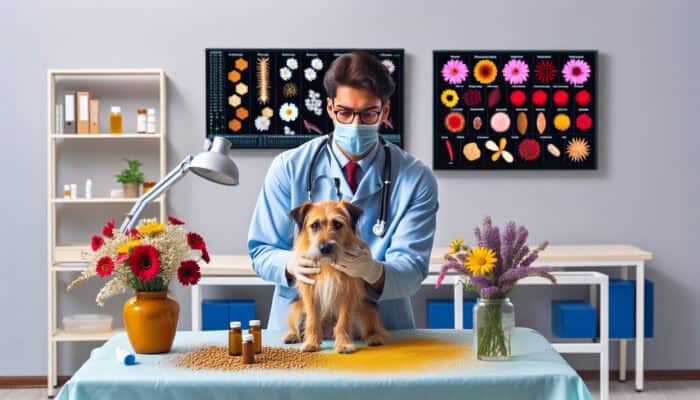
Distinguishing between allergies and other health issues is essential for effective treatment. Symptoms like excessive itching or respiratory distress can also arise from infections or skin conditions. Owners should be attentive to specific signs indicating allergies, such as seasonal patterns, accompanying environmental changes, or identifiable irritants like certain foods or fabrics. Recognising these distinctions ensures pets receive appropriate care tailored to their unique health needs, enhancing their comfort and health outcomes.
What Allergy Symptoms Are Commonly Observed in Different Pet Species?
Different species of pets may exhibit varying signs of allergies, making it crucial for owners to recognise breed-specific manifestations. For instance, dogs often display symptoms such as skin redness, excessive licking, and ear infections, while cats might exhibit more subtle indications like increased grooming or gastrointestinal upset. Understanding these symptoms in relation to a pet's breed and environmental exposure can significantly assist owners in addressing allergies effectively, ultimately improving their pet's quality of life.
When Is It Necessary to Consult a Veterinarian About Suspected Allergies?
Knowing when to seek veterinary advice is critical for effective allergy management in pets. Symptoms that necessitate immediate professional attention include severe itching that causes skin damage, breathing difficulties, or persistent gastrointestinal issues. Early intervention by a veterinarian ensures that pets receive the necessary care, helping to establish a comprehensive management plan tailored to their unique health status and requirements, thus preventing further complications.
Expert Strategies for Successful Spring Allergy Management in Pets
Why Do Spring Allergies in Pets Often Intensify During This Season?
Spring allergies frequently worsen during this season due to the surge in environmental allergens, particularly pollen and mold. As pets spend more time outdoors, they face heightened exposure to common triggers. For example, a dog that enjoys lengthy walks in grassy areas may encounter more pollen, exacerbating its allergy symptoms. To manage allergies effectively, pet owners should consider limiting outdoor activities during peak pollen times and keeping their pets indoors on particularly windy days to reduce exposure.
What Advanced Treatment Options Are Available for Managing Allergies?
Advanced treatment options for managing spring allergies in pets encompass customised medications and immunotherapy. Medications such as corticosteroids may be prescribed to reduce inflammation and alleviate itching, while immunotherapy offers a long-term solution by desensitising pets to specific allergens. A veterinarian can provide expert guidance on the most effective treatment protocols based on a pet's health history and specific allergies, ensuring optimal management without unnecessary side effects that could complicate their condition.
What Preventive Strategies Do Experts Recommend for Allergy Management?
Implementing preventive measures is crucial for reducing the impact of spring allergies in pets. Experts recommend regularly bathing pets with hypoallergenic shampoos to effectively eliminate allergens from their coats and skin. Additionally, utilising air purifiers within the home can significantly decrease airborne allergens, enhancing pets' overall comfort and health. Regular cleaning of bedding and living spaces is also vital to minimise allergen buildup, creating a healthier environment for pets to flourish and thrive throughout the allergy season.
What Are the Most Effective Treatment Solutions for Managing Pet Allergies?
Which Standard Medications Are Commonly Used for Managing Pet Allergies?
Standard medications for pet allergies include antihistamines and corticosteroids, which effectively alleviate allergy symptoms by reducing inflammation and blocking allergic reactions. Antihistamines provide relief for mild symptoms, while corticosteroids are often reserved for more severe reactions requiring immediate attention. Pet owners should work closely with a veterinarian to determine the most appropriate medication type and dosage based on their pet’s health status and specific allergy needs, ensuring a tailored approach to treatment.
How Can You Select the Most Suitable Treatments for Your Pet?
Selecting appropriate treatments for pet allergies requires thorough consideration of various factors. Owners should assess their pet's health history, specific allergy triggers, and the severity of symptoms. Consulting a veterinarian is vital for evaluating the most suitable treatment options, which may include over-the-counter medications or prescription therapies, ensuring that any remedies utilised are both effective and safe for the pet's health and well-being.
What Alternative Therapies Can Provide Additional Relief from Allergy Symptoms?
Alternative therapies can complement standard treatments to deliver holistic relief from allergies. Options such as omega-3 fatty acid supplements can help reduce inflammation and promote skin health, while herbal remedies may offer calming properties. Furthermore, practices like acupuncture and homeopathy have shown promise in specific cases, providing additional avenues for alleviation. Pet owners should consult with their veterinarian before integrating any alternative therapies to ensure compatibility with existing treatment plans and maximise effectiveness.
Research-Driven Advantages of Spring Allergy Management for Pets
What Are the Main Benefits of Early Intervention in Allergy Care?
Early intervention in allergy management yields significant benefits for pets. Evidence indicates that pets receiving timely treatment experience fewer complications and improved overall well-being. Actions like maintaining a symptom diary and adjusting the home environment can lead to better management outcomes. Developing a proactive strategy ensures pets remain comfortable, reducing the risk of chronic conditions developing over time and enhancing their quality of life substantially.
How Do Consistent Allergy Management Strategies Contribute to Long-Term Health Improvements?
Research shows that consistent allergy management can lead to long-term health benefits for pets. Pets receiving regular care and effective treatment enjoy an improved quality of life, reduced symptoms, and a lower risk of secondary infections. By establishing effective routines and adhering to veterinary guidance, pet owners can secure their pet's health and happiness over an extended period, fostering overall well-being and reducing the likelihood of future health complications.
How Can You Measure Success in Allergy Management Effectively?
Success in allergy management can be evaluated through metrics such as reduced symptom frequency and severity over time. Pet owners can assess treatment effectiveness by noting behavioural changes, skin condition, and overall vitality. Regular veterinary check-ups also aid in evaluating progress, leading to necessary adjustments in management strategies to optimise their pet's health and comfort throughout allergy seasons.
What Innovative Treatments Are Showing Promising Results for Allergy Relief?
Recent research into innovative treatments for spring allergies in pets has unveiled promising options. For instance, immunotherapy is gaining traction as a method to desensitise pets to allergens, significantly reducing symptom severity. Clinical trials have demonstrated that these advanced treatment protocols can enhance comfort and overall quality of life for affected pets. Pet owners should discuss these cutting-edge options with their veterinarians to effectively improve their management strategies and the health of their pets.
Proven Preventive Strategies for Managing Pet Allergies
How Can Pet Owners Minimise Allergen Exposure for Their Furry Friends?
Minimising allergen exposure is a crucial aspect of managing spring allergies in pets. Here are practical strategies to help reduce contact with allergens:
- Limit outdoor activities during periods of high pollen counts to prevent unnecessary exposure
- Utilise air conditioning rather than opening windows to keep allergens at bay
- Regularly clean pet bedding and living areas to eliminate dust and allergens
- Establish a consistent grooming routine to remove allergens from coats and skin
Implementing these strategies can significantly alleviate pets' allergy symptoms, leading to a healthier, happier life overall and enhancing their comfort during allergy season.
What Lifestyle Changes Can Enhance the Management of Allergies?
Making lifestyle adjustments plays a vital role in effectively managing allergies. Pet owners can implement simple changes, such as altering walking routes to avoid heavily pollinated areas or modifying dietary habits to incorporate allergy-reducing supplements. Creating a stable and clean home environment can help minimise flare-ups and ensure pets can thrive despite seasonal challenges, promoting their happiness and well-being.
What Seasonal Preparation Strategies Should Be Adopted for Allergy Management?
Preparing for allergy season necessitates proactive strategies tailored to your pet's unique needs. This preparation may involve scheduling veterinary check-ups before peak allergy season, ensuring pets are up-to-date on vaccinations, and stocking necessary medications. Adapting routines to include additional cleaning and monitoring can further protect pets from the adverse effects of spring allergies, encouraging their overall health and happiness during this challenging time.
When Is It Essential to Seek Professional Assistance for Allergies?
What Signs Indicate Severe Allergies in Pets That Require Immediate Attention?
Pet owners should remain vigilant for critical signs indicating severe allergies that demand immediate veterinary attention. Symptoms such as intense scratching leading to open wounds, noticeable swelling, or difficulty breathing necessitate prompt professional evaluation. Recognising these signs early can facilitate timely intervention, preventing further complications and safeguarding the pet's health effectively.
What Important Questions Should You Ask During Veterinary Visits Regarding Allergy Management?
Effective communication during veterinary consultations is vital for successful allergy management. Pet owners should prepare relevant questions about treatment options, potential side effects, and long-term management strategies. Inquiring about specific allergens to avoid and recommendations for lifestyle adjustments can provide valuable insights into effective care and support for their pets, ensuring comprehensive management.
How Can You Ensure Ongoing Allergy Management Following a Veterinary Consultation?
Effectively managing allergies requires a sustained commitment after veterinary consultations. Pet owners should adhere to prescribed treatment plans and consistently monitor their pets for any behavioural or health changes. Maintaining open communication with the veterinarian enables timely adjustments to management strategies, ensuring pets receive the best possible care throughout allergy seasons and beyond.
Long-Term Strategies for Comprehensive Allergy Relief
How to Establish a Supportive Environment for Pets with Allergies?
Creating a supportive environment is essential for pets suffering from allergies. Simple changes, such as using hypoallergenic bedding and maintaining clean living spaces, can significantly reduce allergen exposure. Providing a calm and stable atmosphere fosters overall well-being, enabling pets to thrive throughout allergy season and beyond, ensuring they remain content and healthy.
How to Incorporate Diet and Nutrition in Allergy Management Plans?
A balanced diet can play a crucial role in a pet's ability to manage allergy symptoms effectively. Incorporating anti-inflammatory foods, such as fish oil or specific vitamins, may help alleviate allergic reactions and bolster overall health. Consulting a veterinarian regarding dietary adjustments ensures pets receive optimal nutrition while effectively addressing any allergy-related health issues that may arise.
Why Is Continuous Monitoring and Adaptation Important Over Time?
Continuous monitoring and adapting allergy management strategies over time is vital for achieving long-term success. Regular evaluations of treatment effectiveness enable pet owners to adjust their approaches according to their pet’s evolving needs. This iterative process ensures that owners remain proactive in managing allergies, significantly enhancing their pet's quality of life and overall health in the long run.
Frequently Asked Questions Regarding Pet Allergies
What Are the Most Common Allergens Affecting Pets in Spring?
The most common spring allergens for pets include pollen from trees, flowers, and grasses, as well as mold spores and dust mites. These environmental allergens can trigger allergic reactions in pets, leading to discomfort and various health issues that require attention.
How Can I Determine If My Pet Has Allergies?
Signs of allergies in pets may encompass excessive itching, sneezing, runny eyes, and skin irritations. Observing your pet's behaviour and noting any changes can assist in effectively identifying potential allergies, enabling timely intervention.
When Is It Advisable to Take My Pet to the Veterinarian for Allergies?
You should take your pet to the veterinarian if they exhibit severe symptoms such as intense itching, difficulty breathing, or ongoing gastrointestinal issues. Early intervention can prevent complications and enhance your pet's overall health and comfort.
What Treatment Options Are Available for Managing Pet Allergies?
Common treatments for pet allergies include antihistamines, corticosteroids, and immunotherapy. The appropriate course of treatment will depend on the severity of the allergies and the overall health status of the pet, ensuring a tailored approach to care.
Are There Natural Remedies That Can Alleviate Pet Allergies?
Natural remedies such as omega-3 fatty acid supplements and herbal treatments can provide relief for some pets. However, it is crucial to consult a veterinarian before trying any natural remedies to ensure their safety and effectiveness in managing your pet's allergies.
How Can I Reduce Allergen Presence in My Home?
To minimise allergens, regularly clean your home, use air purifiers, and maintain your pet's grooming routines. Limiting outdoor exposure during peak pollen periods can significantly reduce allergens indoors, creating a healthier living environment.
What Lifestyle Adjustments Can Foster My Pet's Allergy Management?
Lifestyle adjustments, such as altering walking routes, reducing bathing frequency, and ensuring a clean living environment, can support your pet’s allergy management and contribute to their overall health and well-being.
How Can I Monitor My Pet's Allergies Over Time Effectively?
Monitoring your pet's allergies involves keeping a symptom diary, noting any behavioural or health changes, and scheduling regular veterinary check-ups to adjust treatment plans as necessary based on your pet’s response to management strategies.
What Should I Discuss with My Vet Regarding My Pet's Allergy Management?
Consult your veterinarian about specific treatment options, potential side effects, dietary recommendations, and lifestyle adjustments to help manage your pet’s allergies effectively and safely, ensuring comprehensive care and support.
How Long Do Spring Allergies Generally Last in Pets?
Spring allergies in pets can persist as long as the pollen season, which varies by geographic area. Typically, symptoms may continue until pollen levels decrease and can last several weeks to months, depending on environmental conditions.
Connect with us on Facebook for More Tips!
The Article Spring Allergy Management for Pets: Tips for Pet Owners First Published On https://elgatoencasa.com
The Article Pet Allergy Management in Spring: Essential Tips for Owners Was Found On https://limitsofstrategy.com